
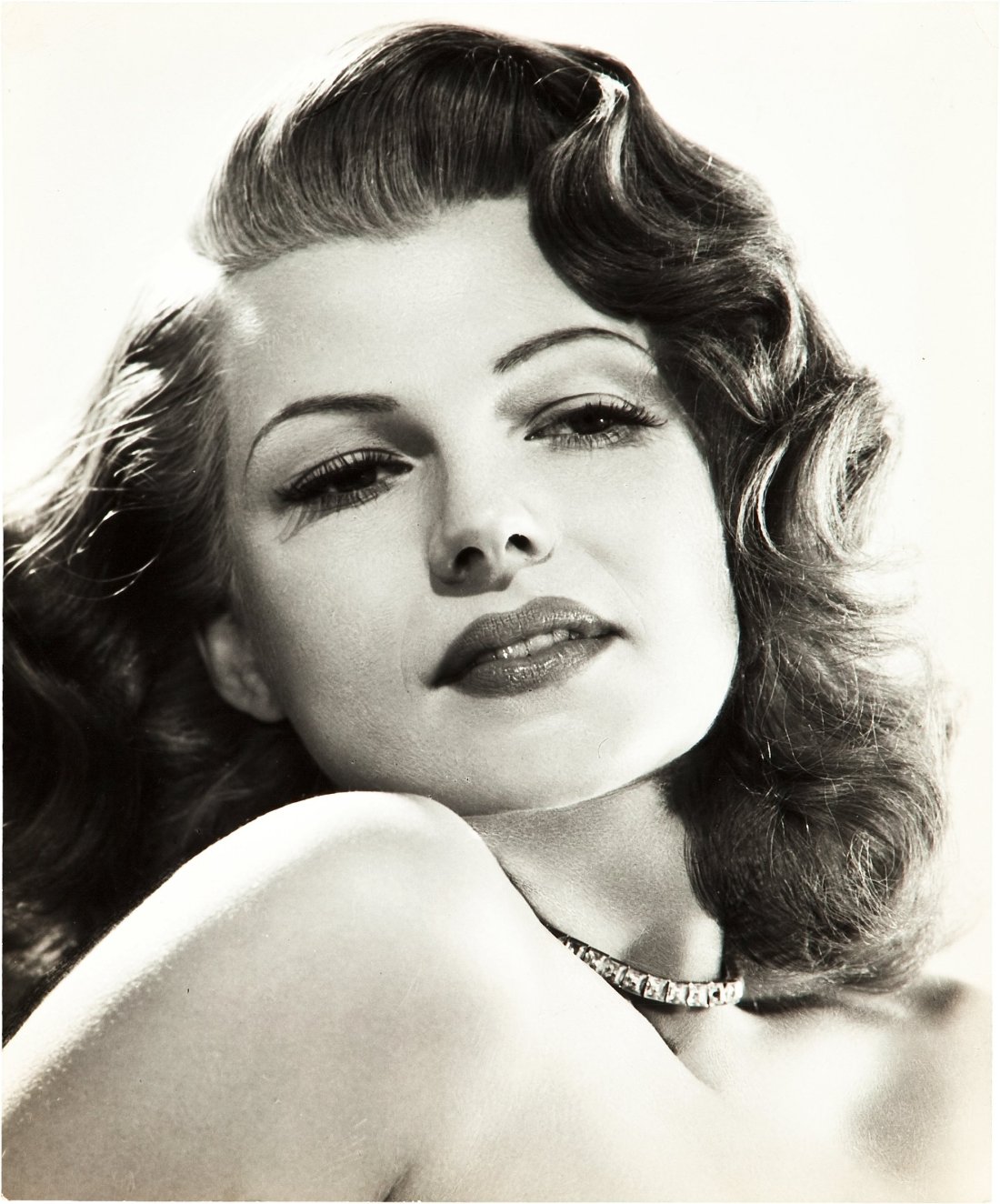
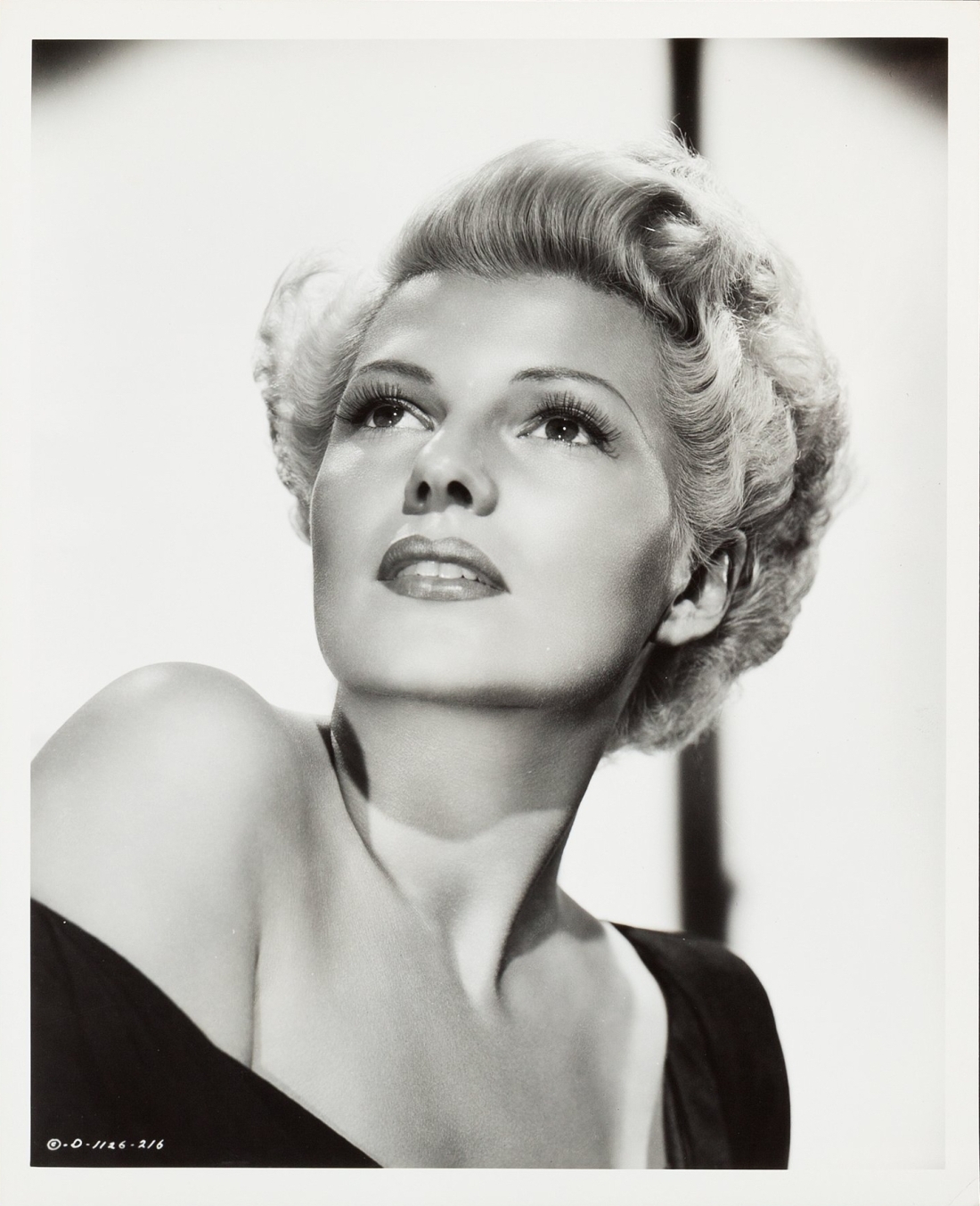
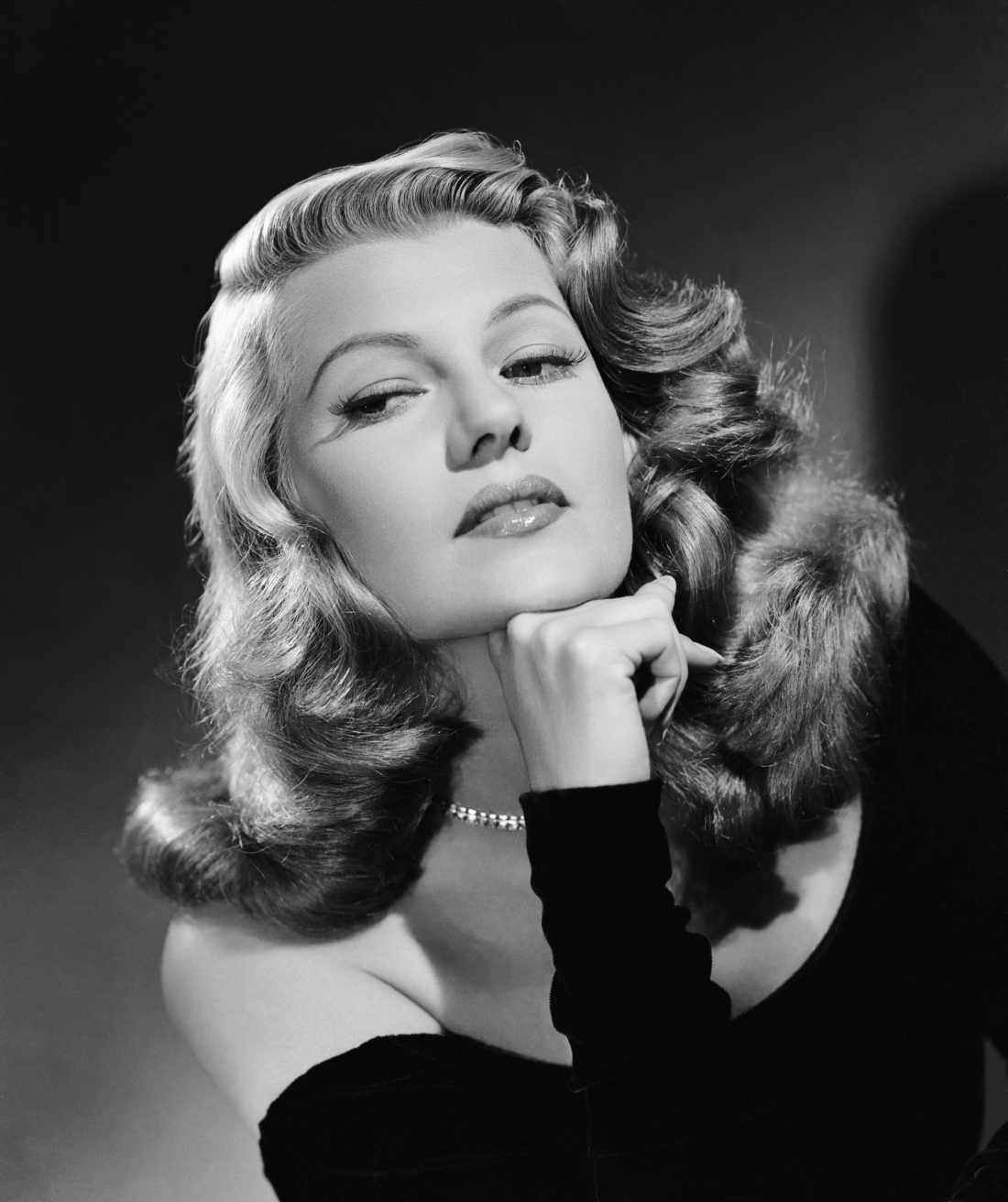
Robert Coburn

Personal blog for inspiration


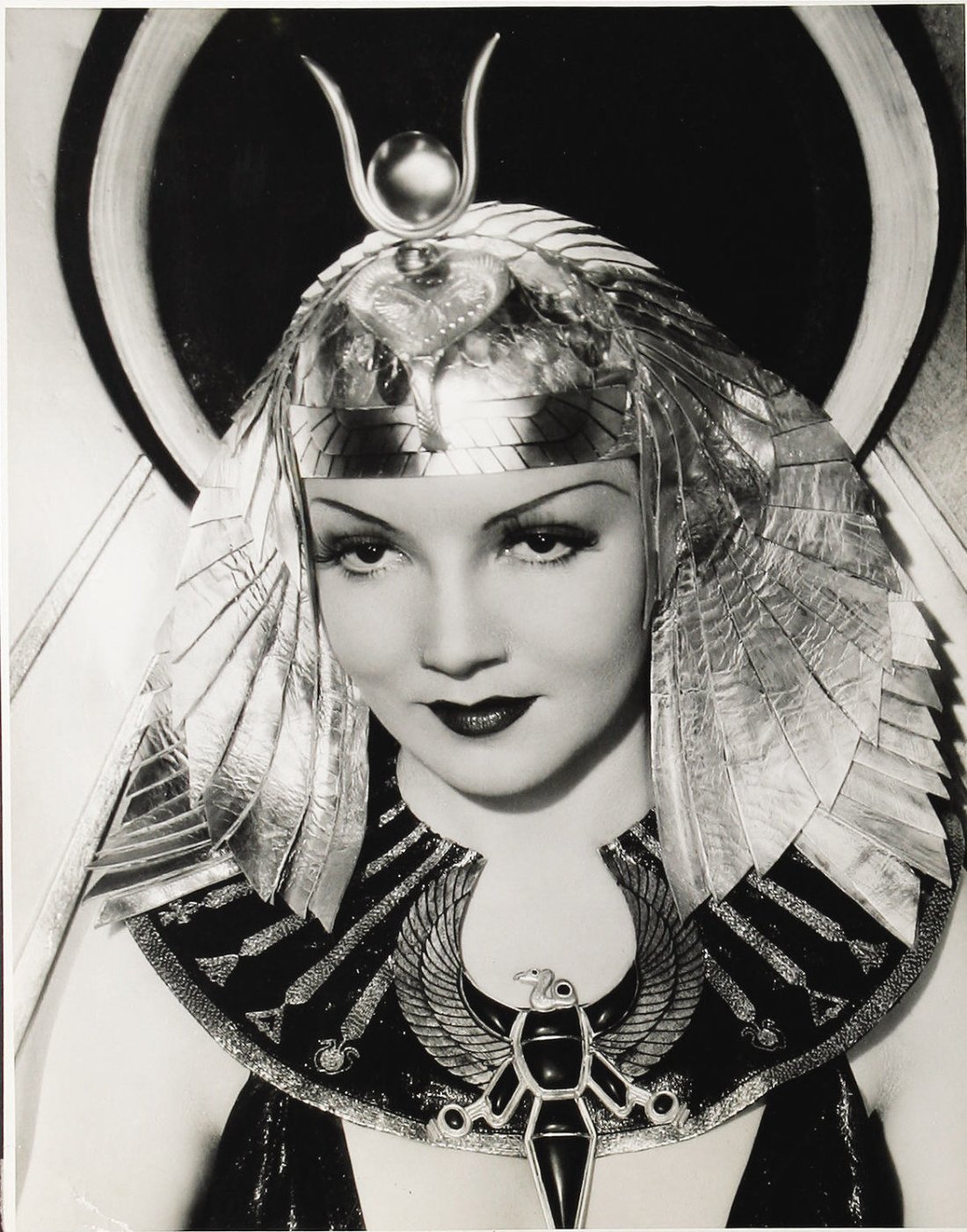
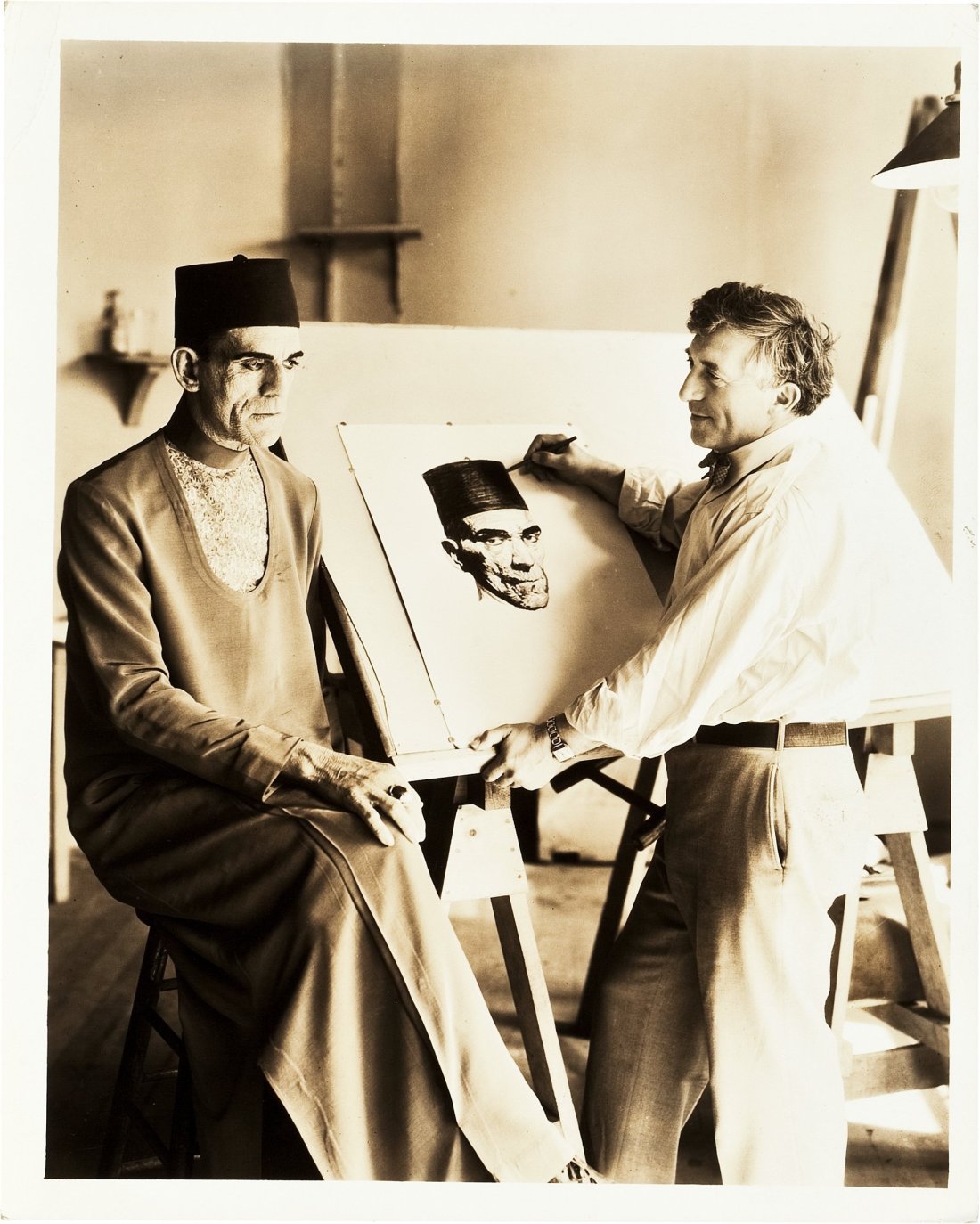
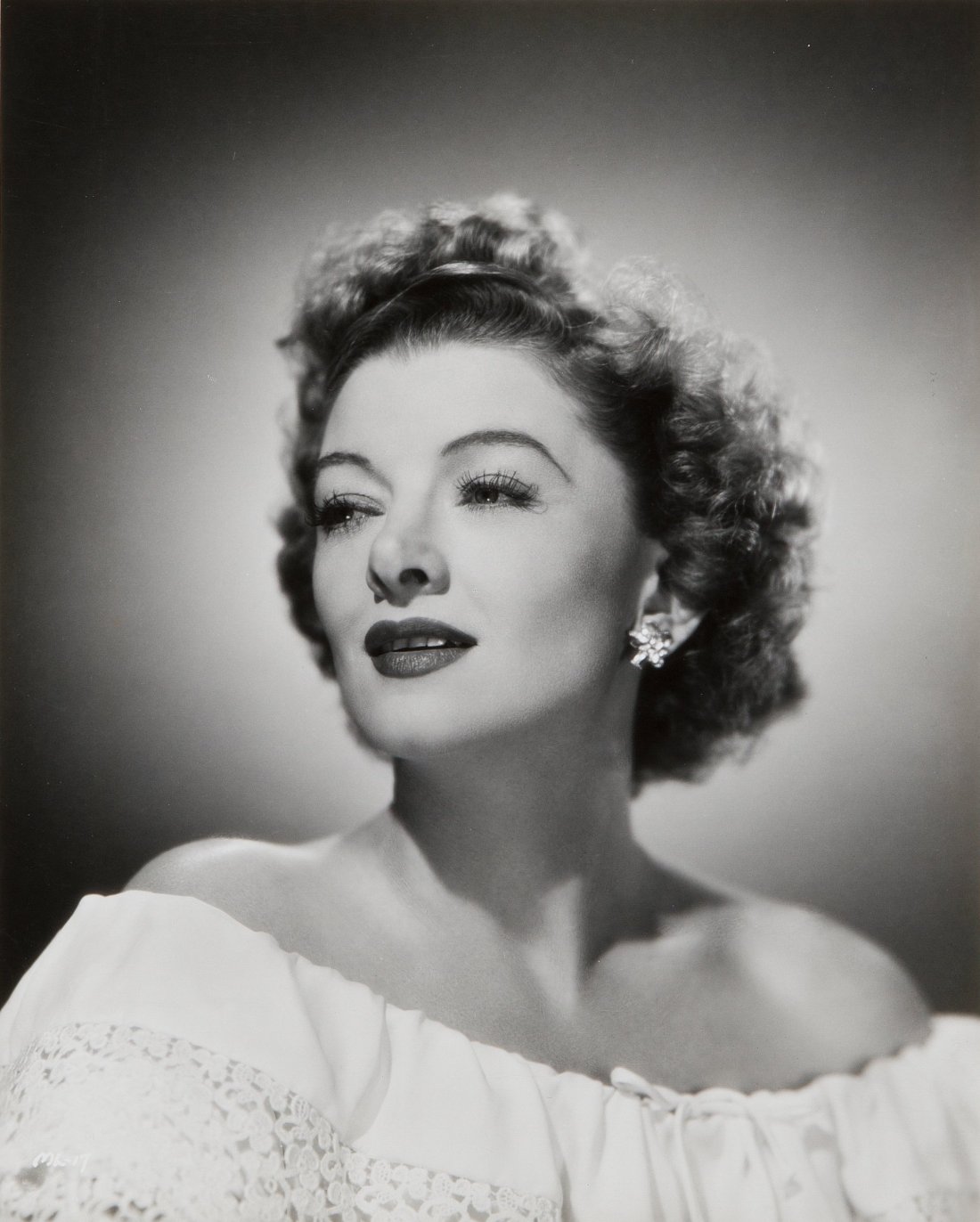
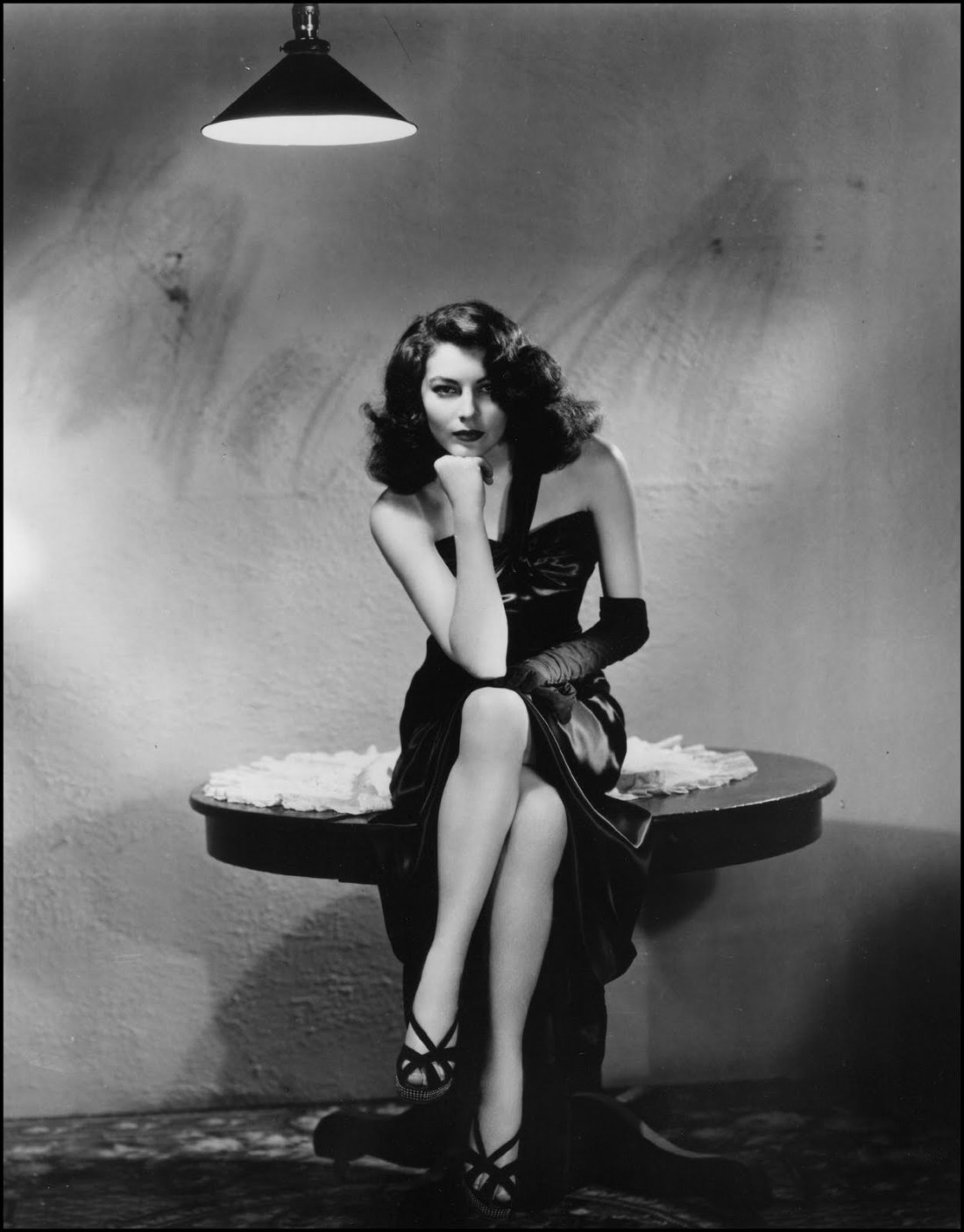
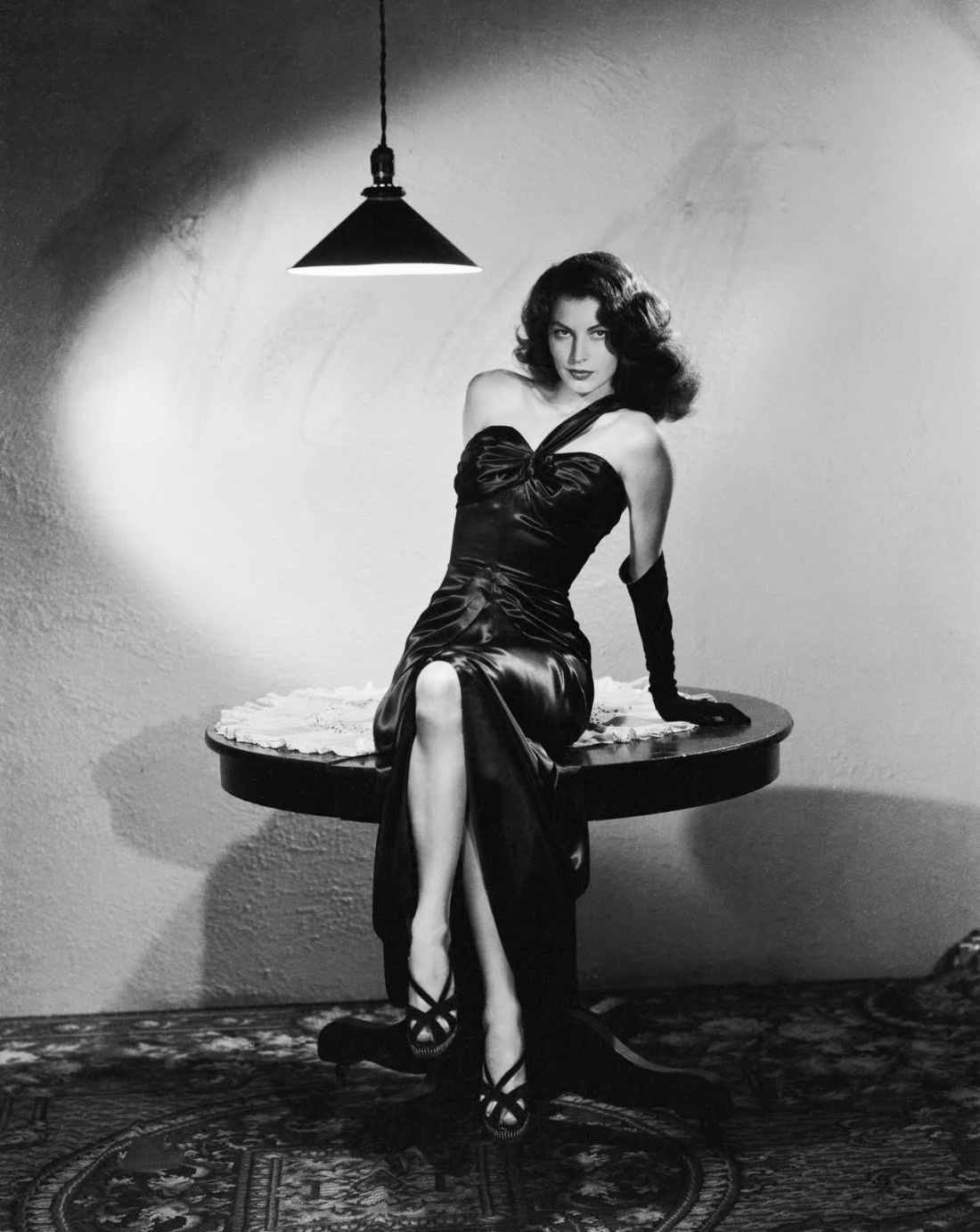
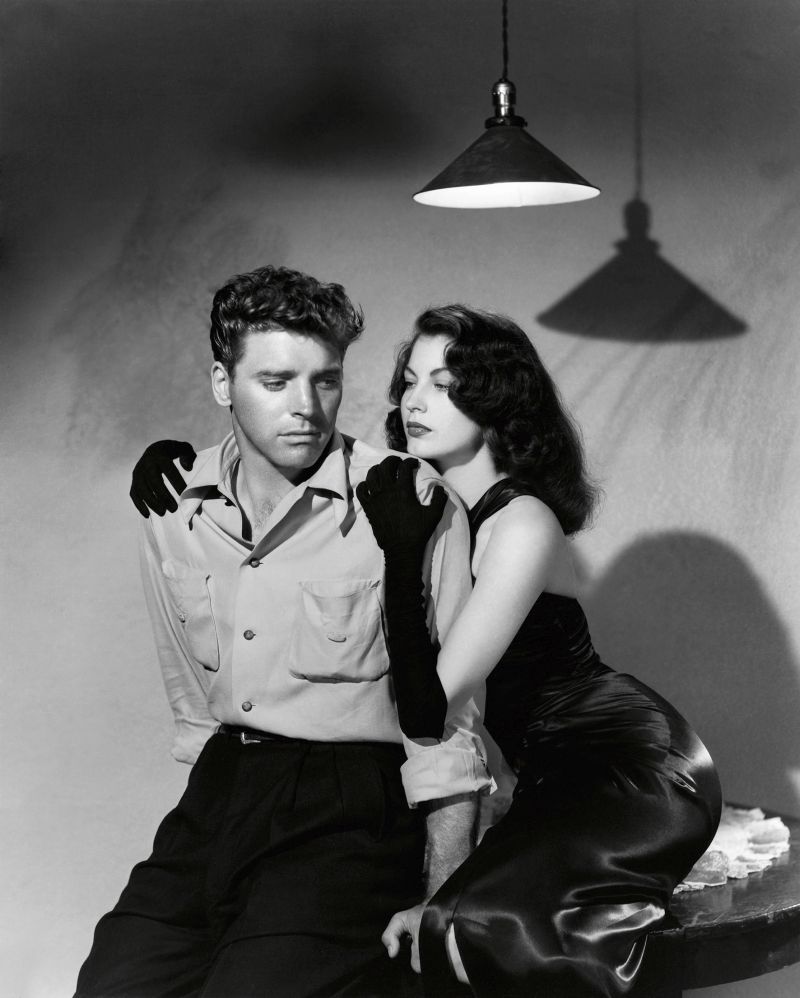

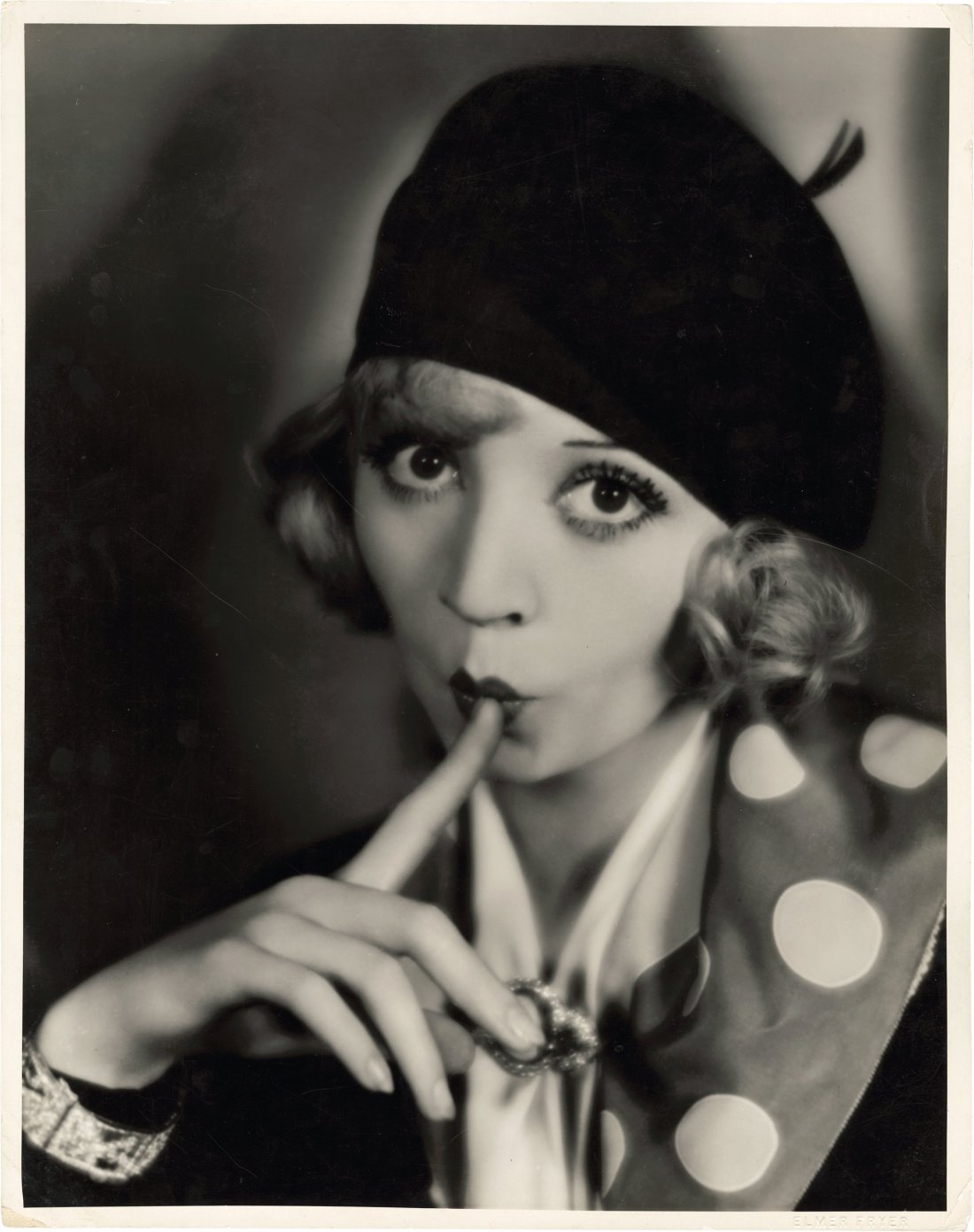
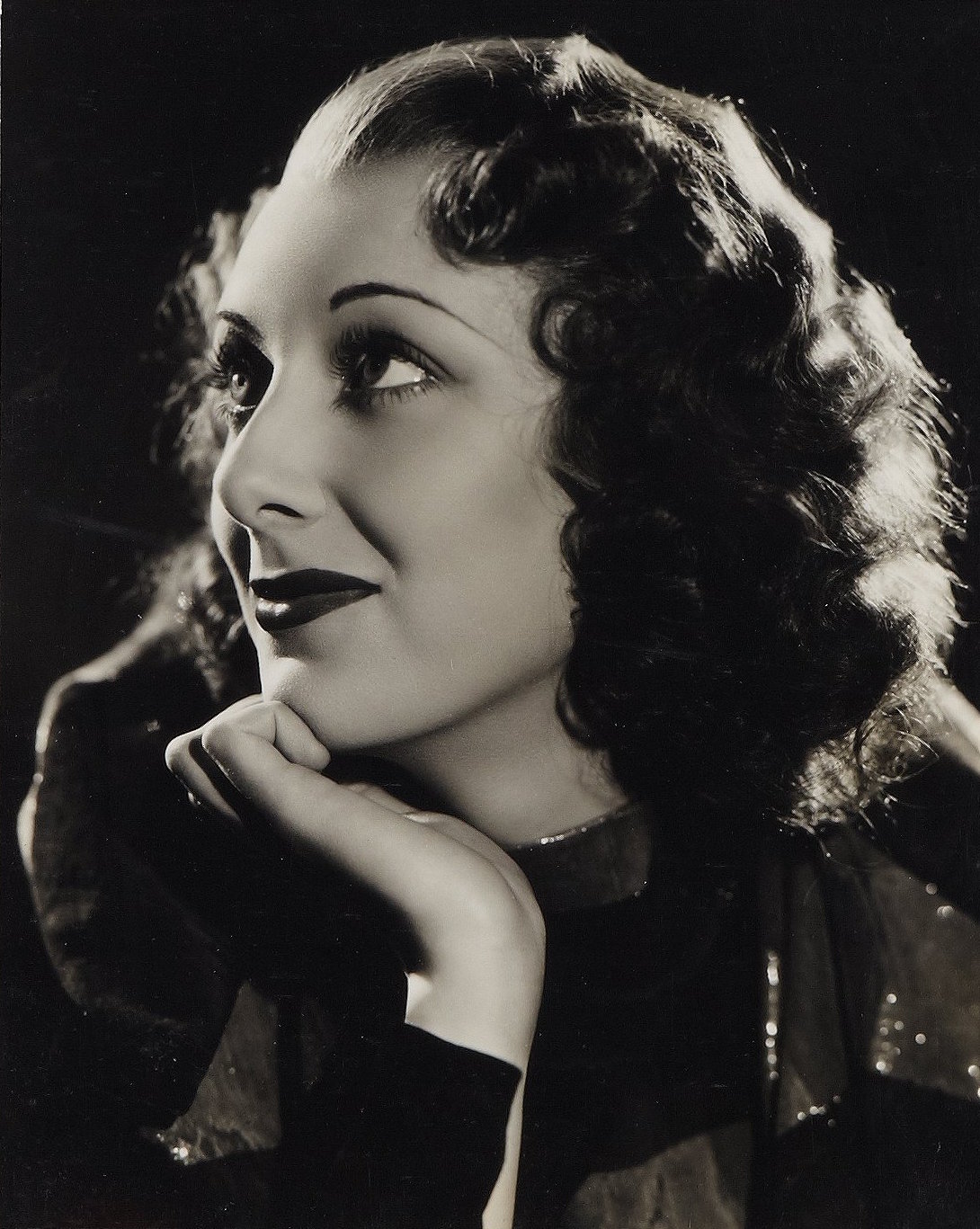
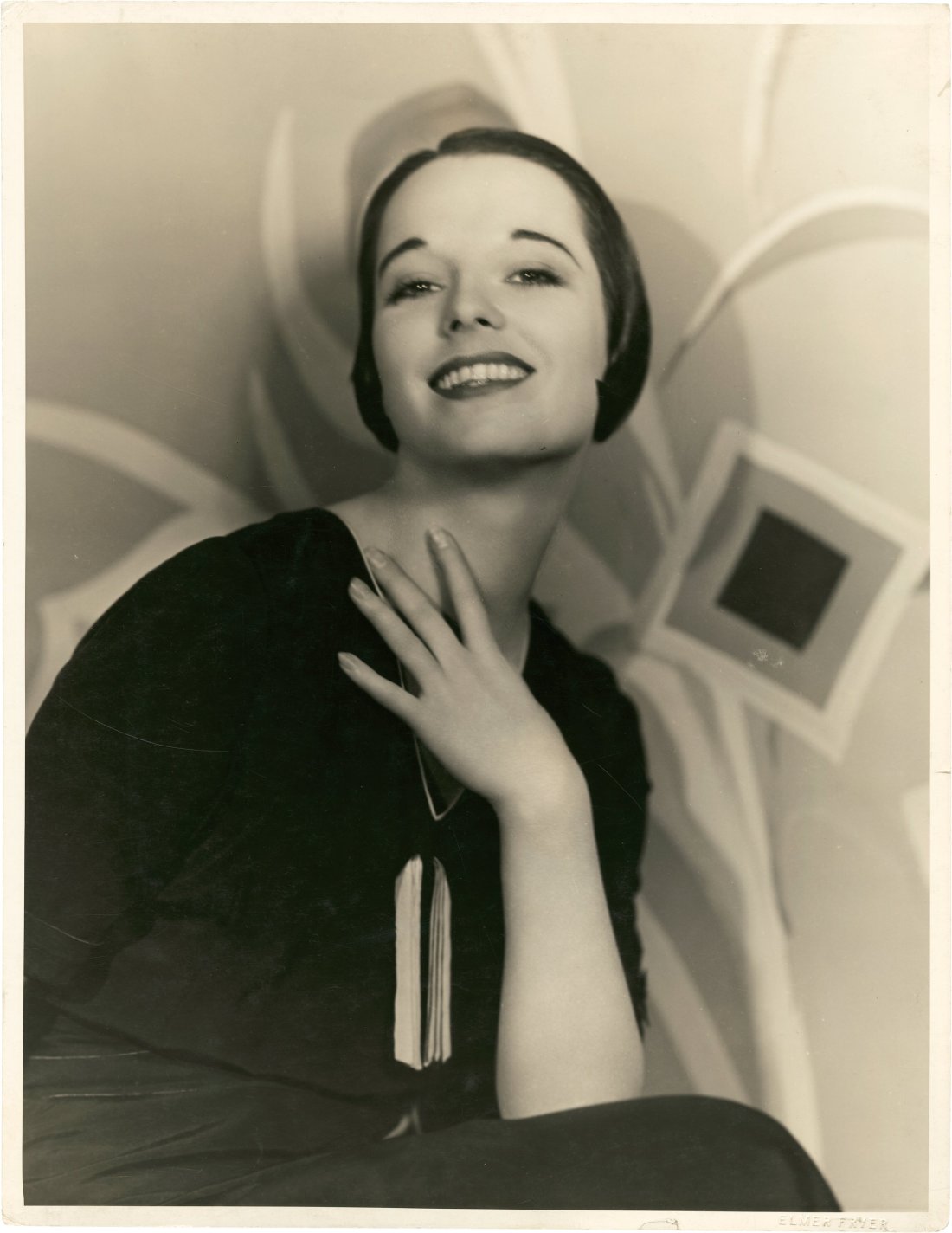
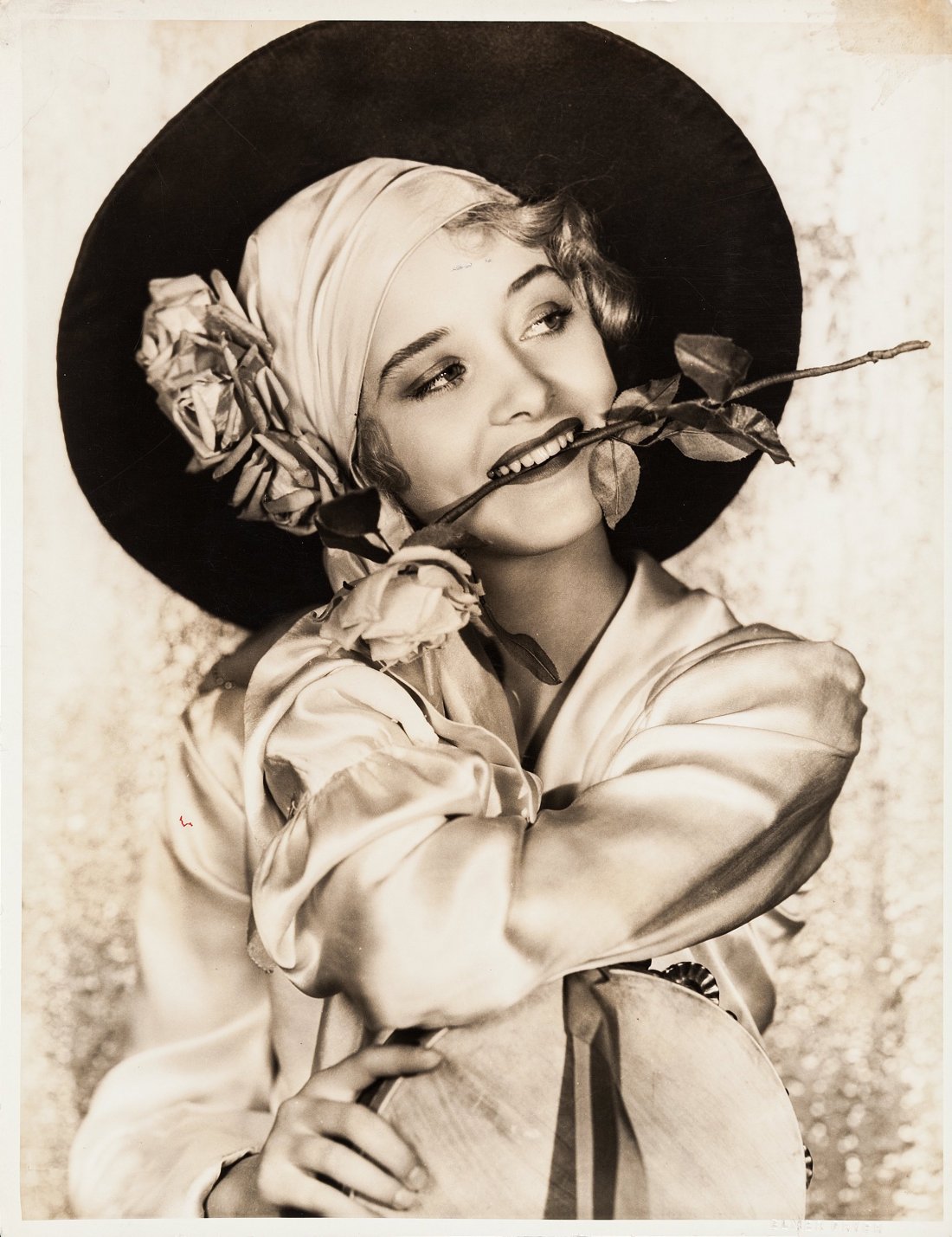
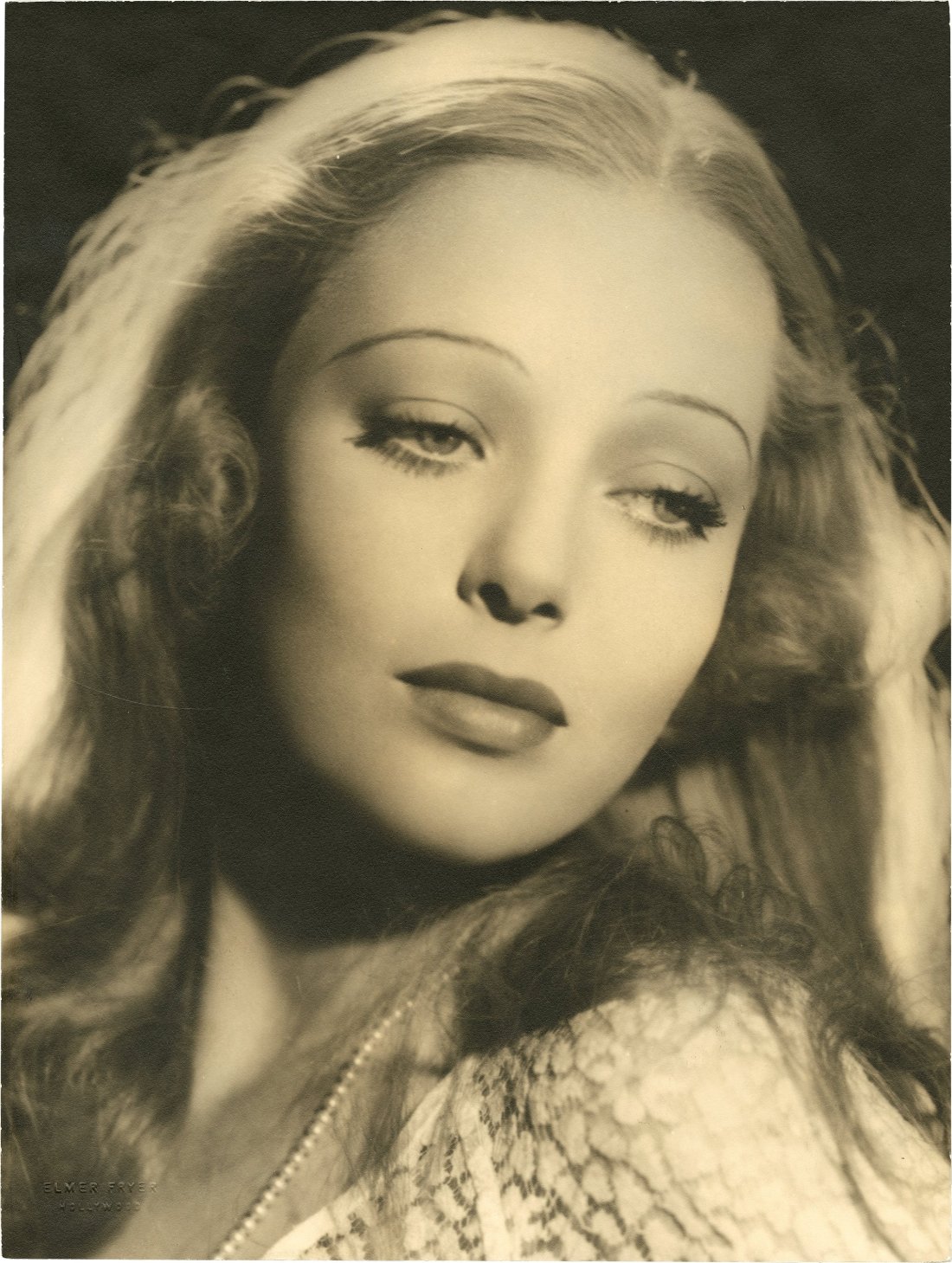
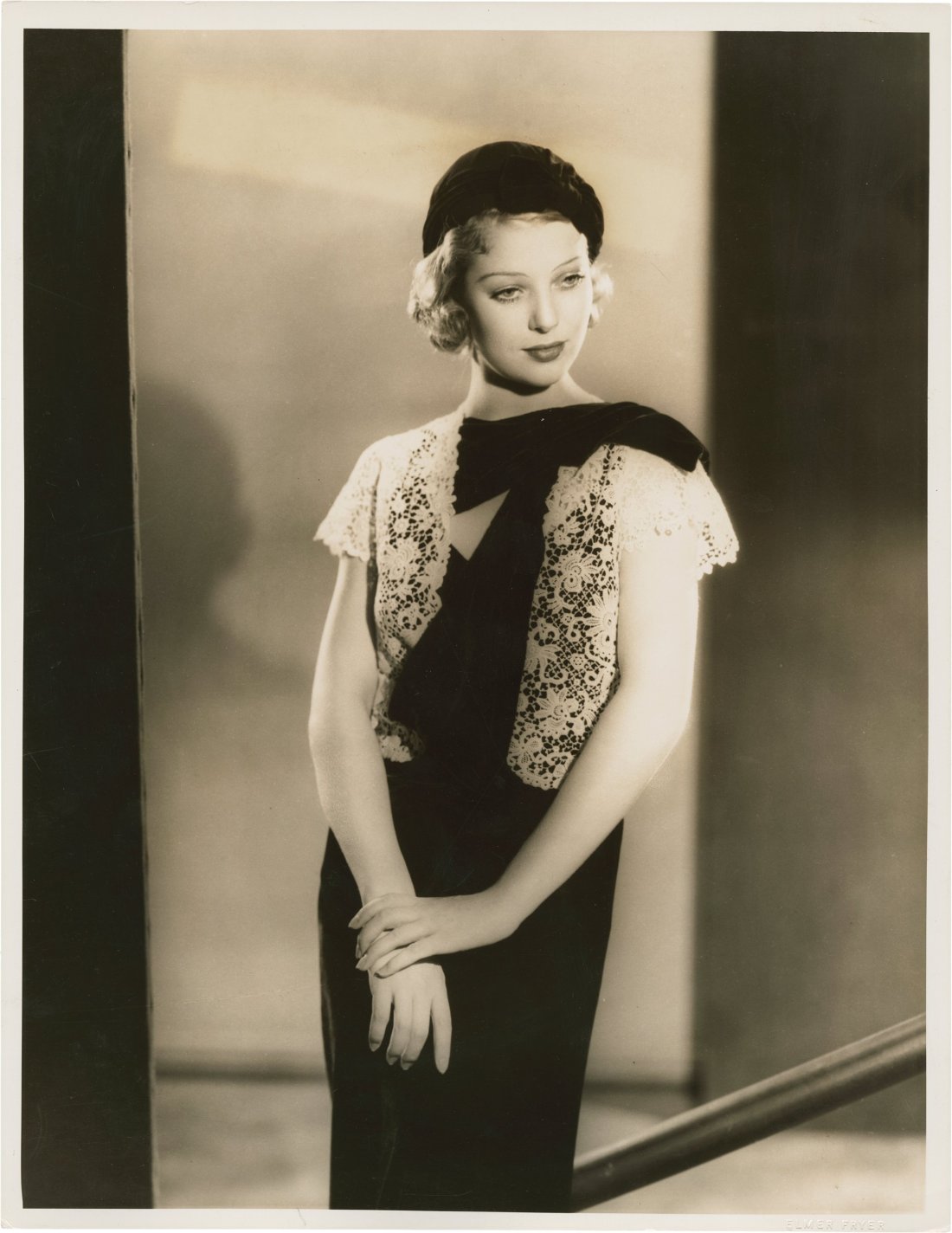
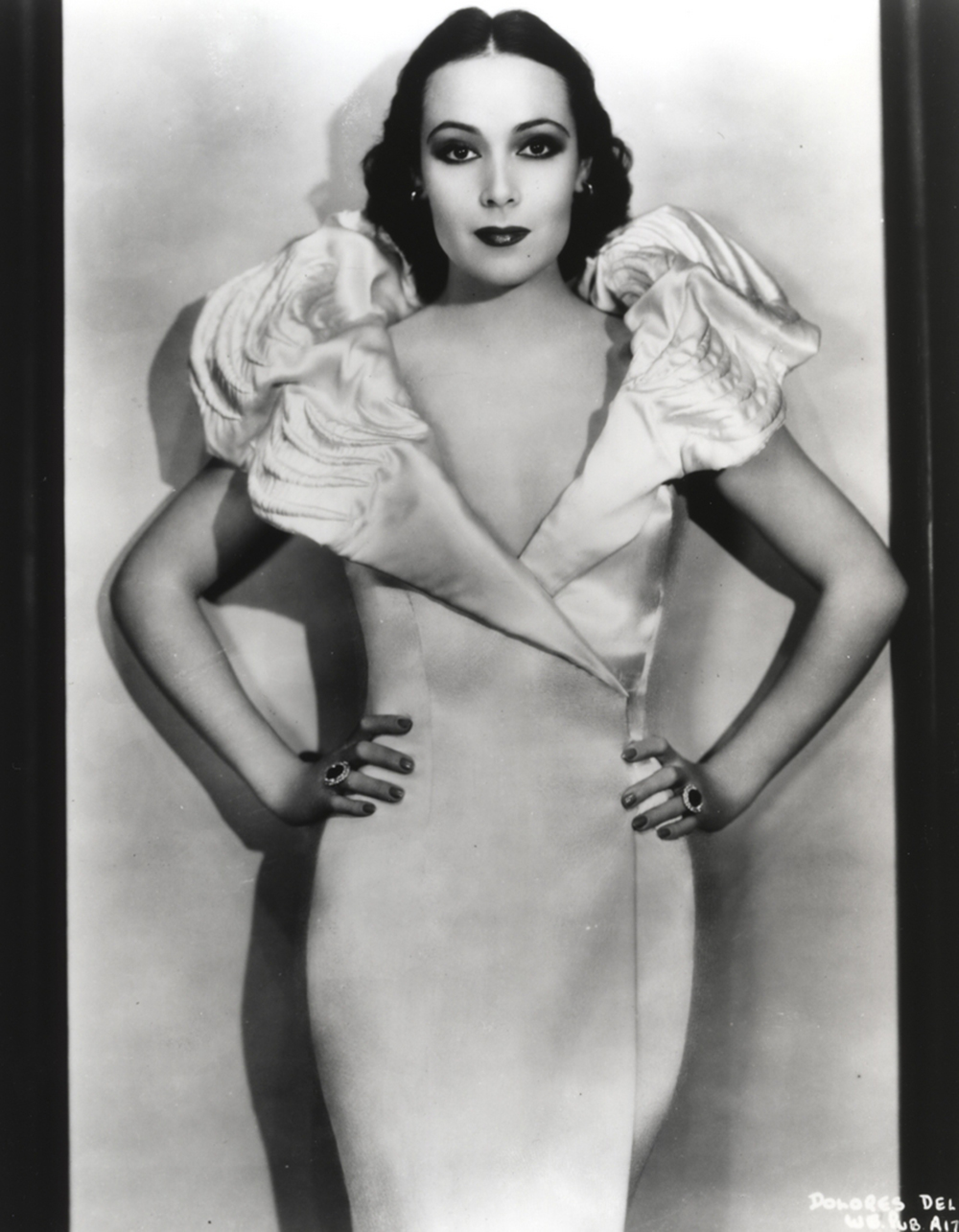

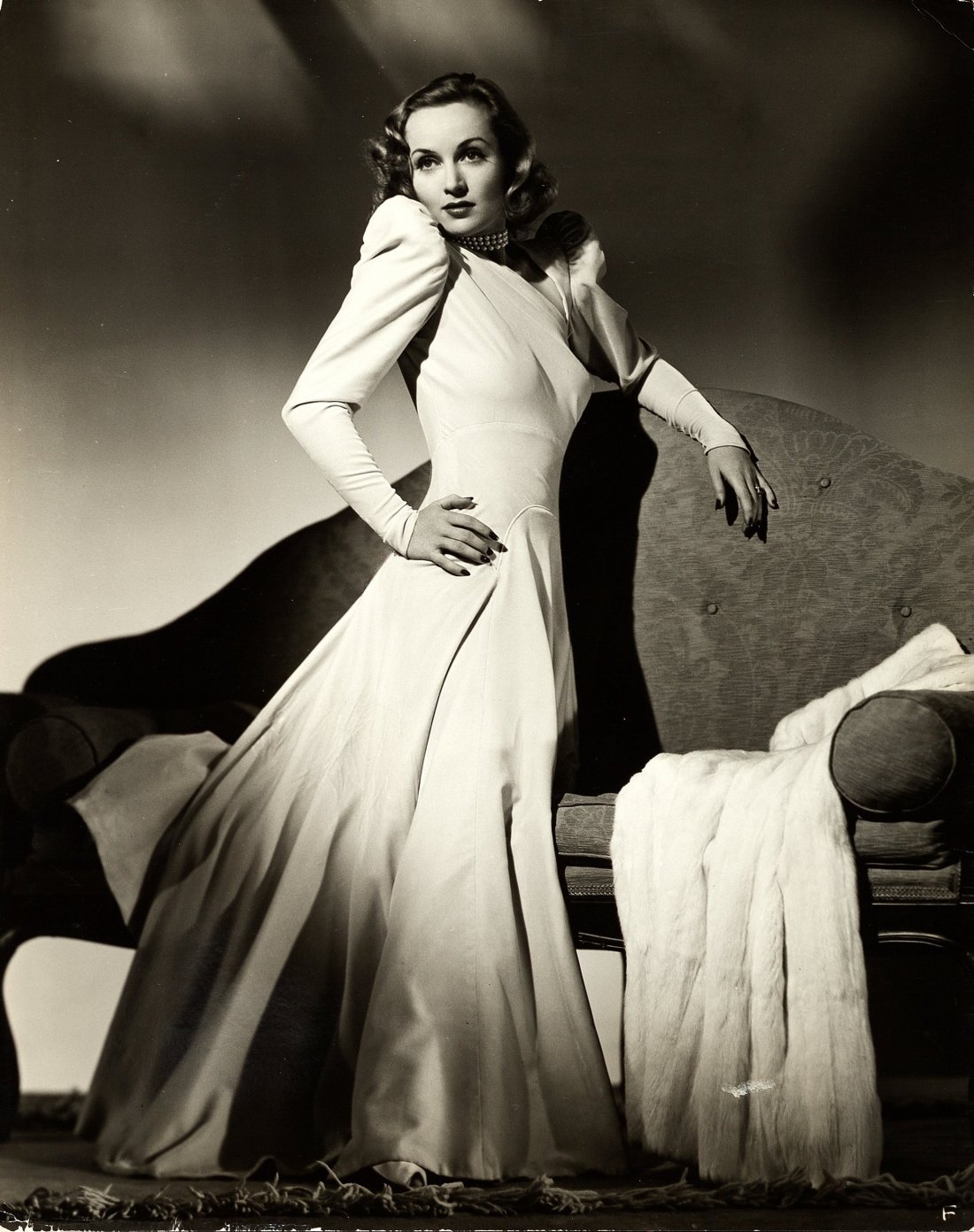
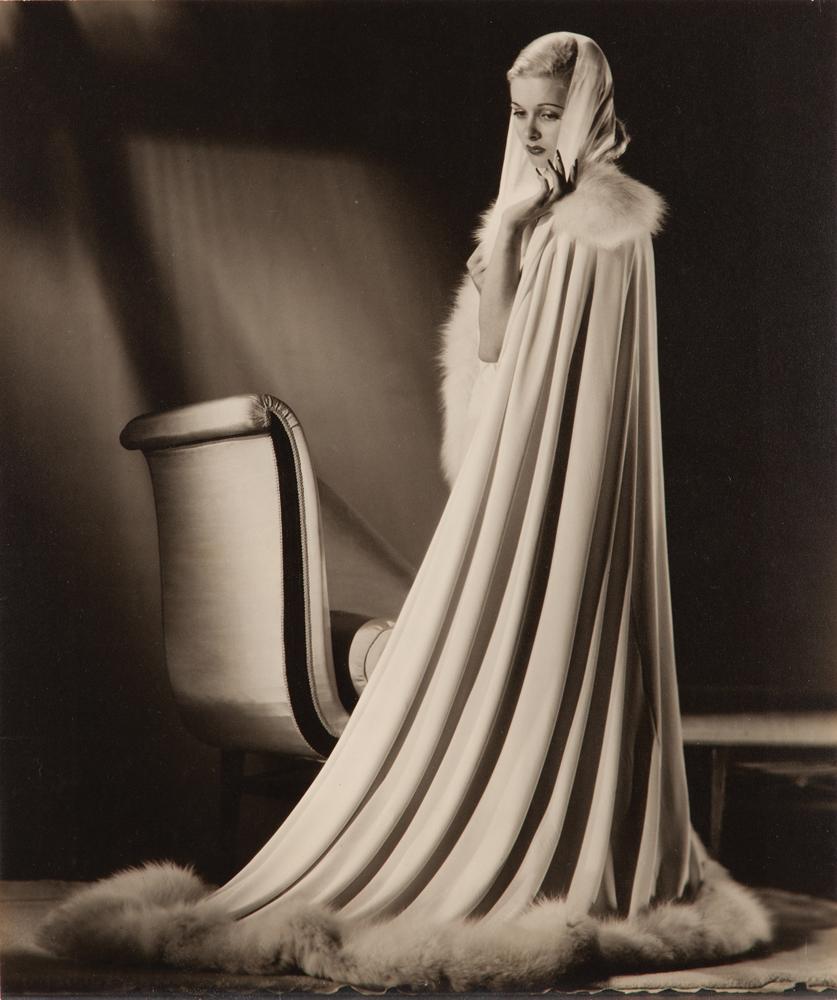
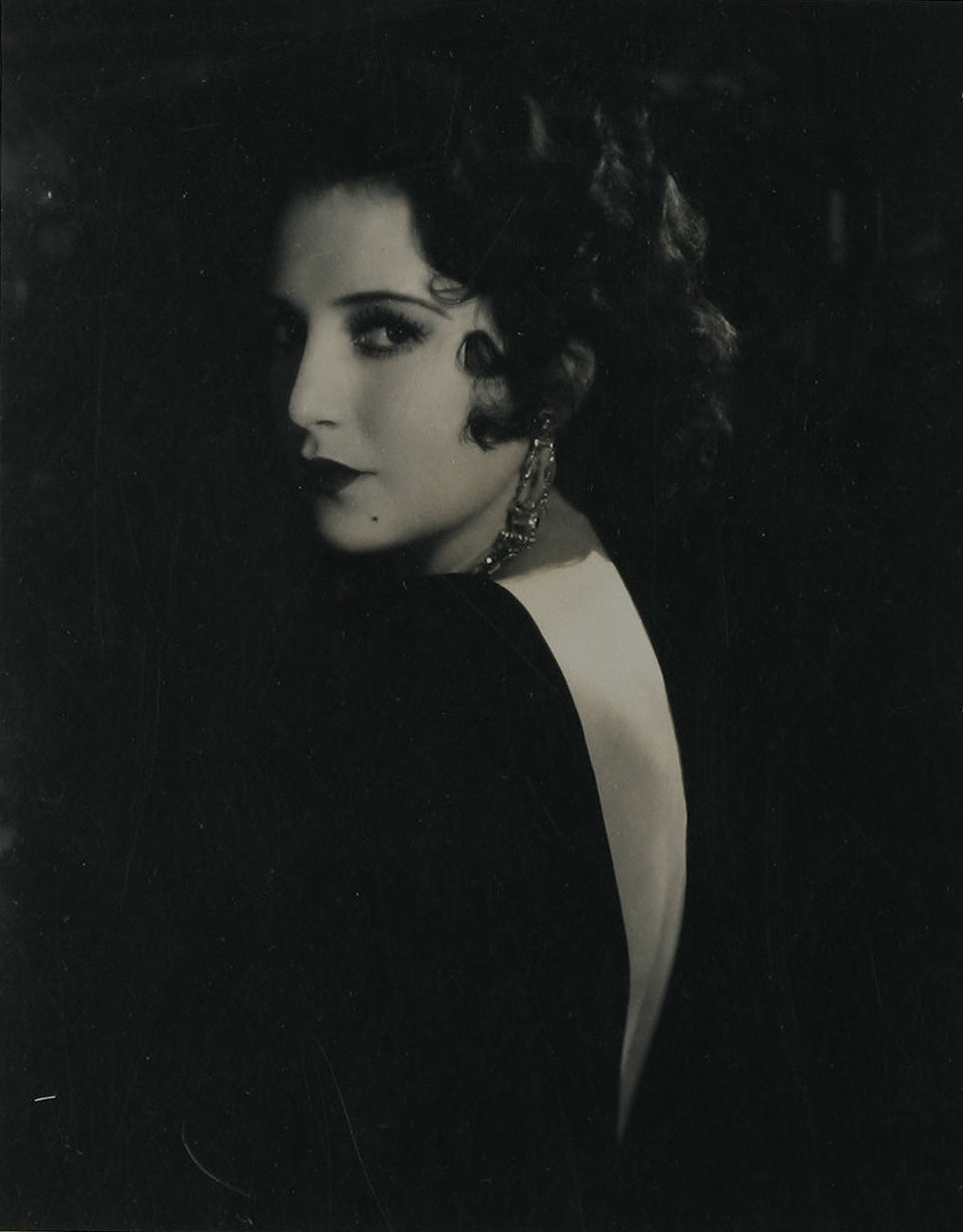
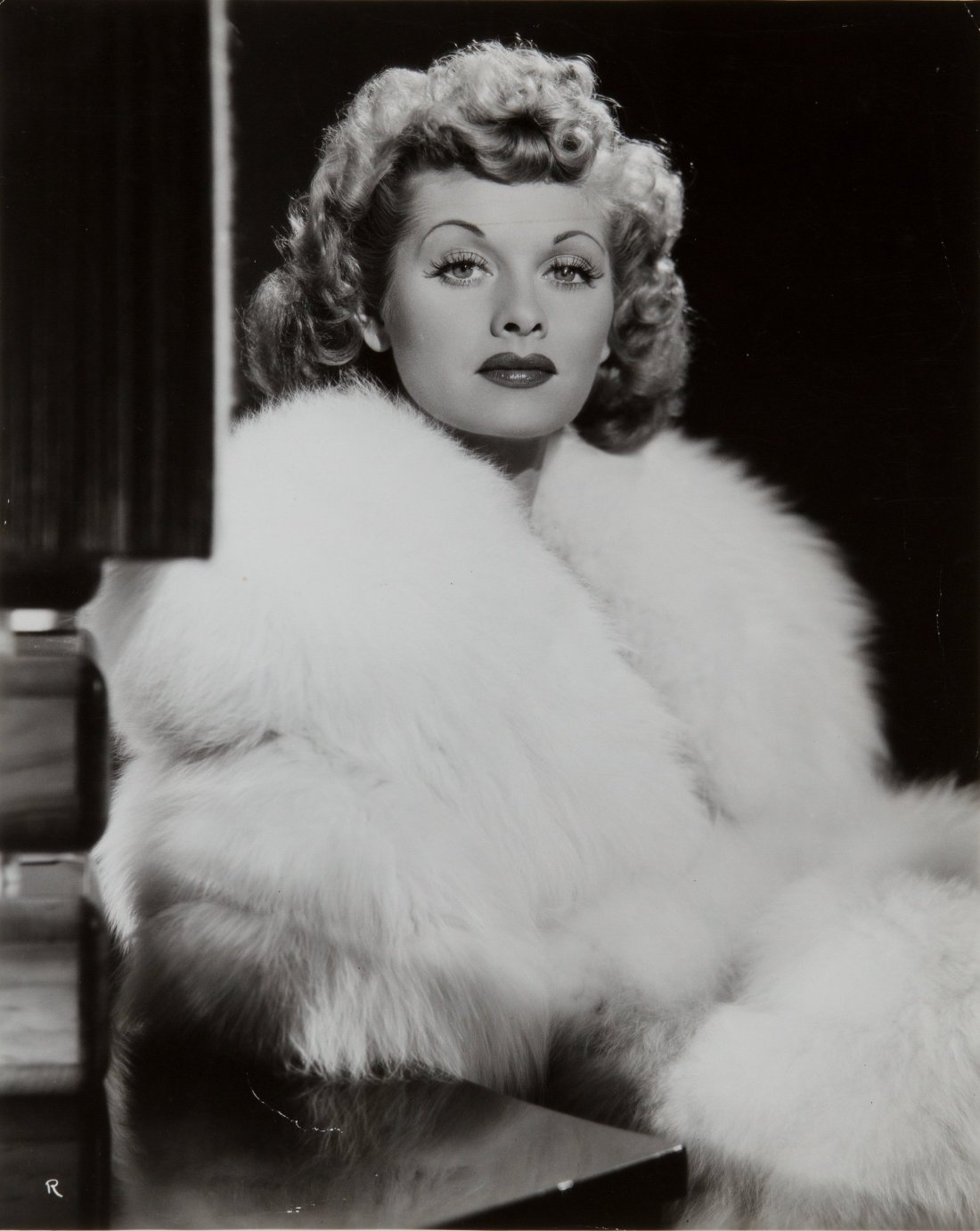
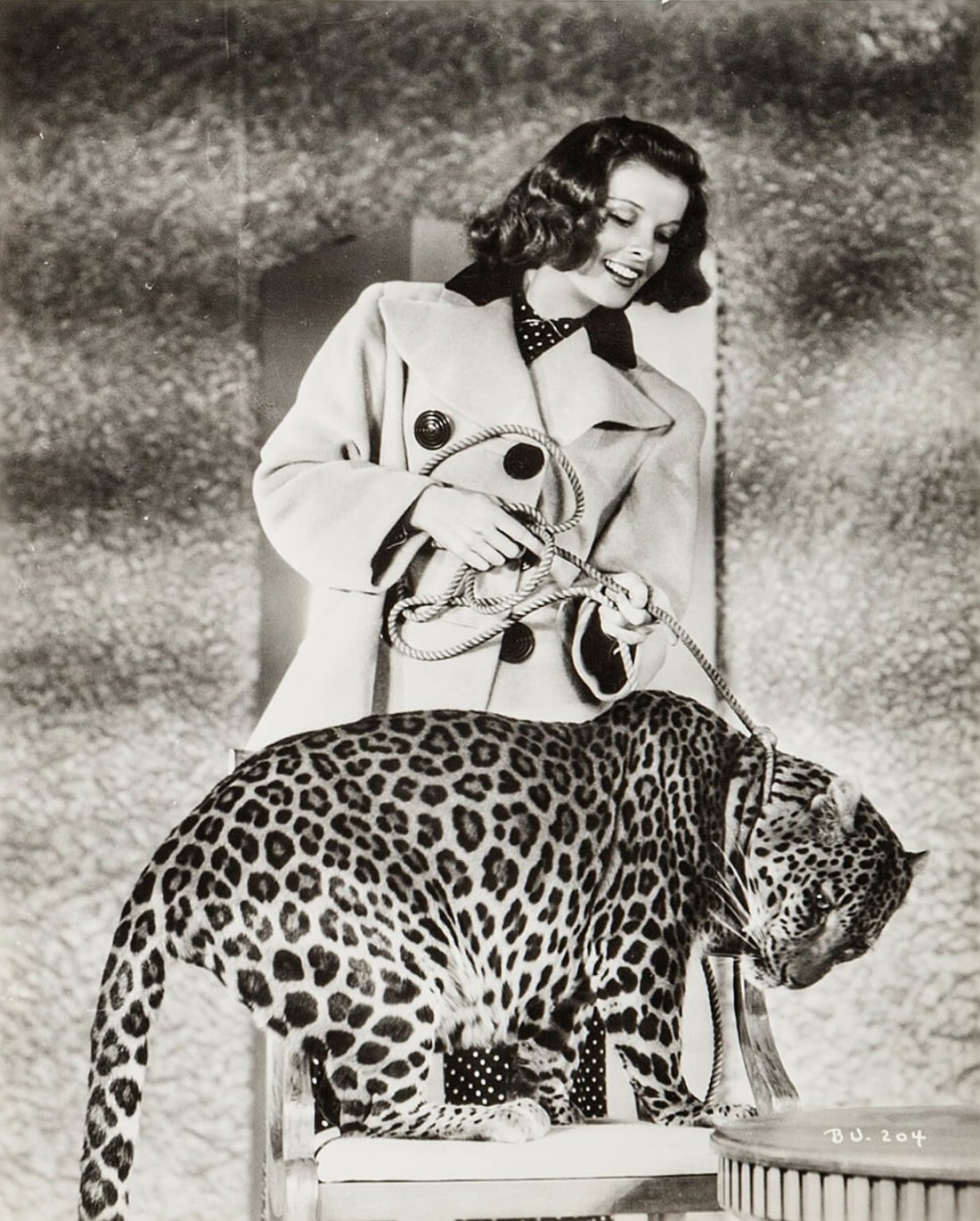
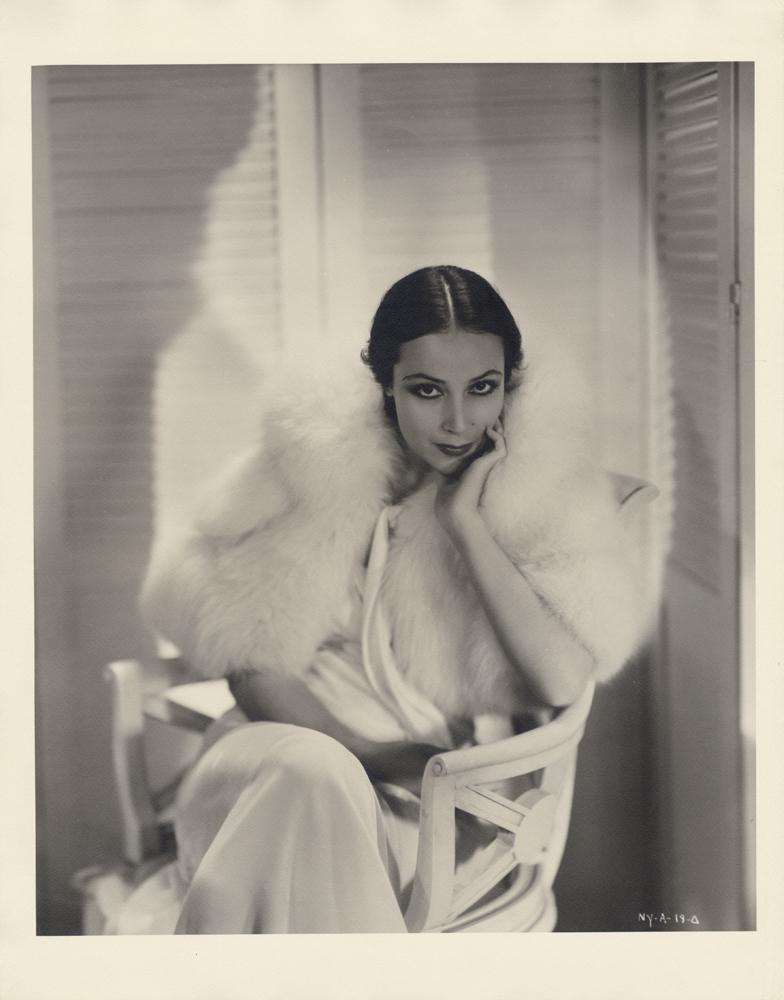
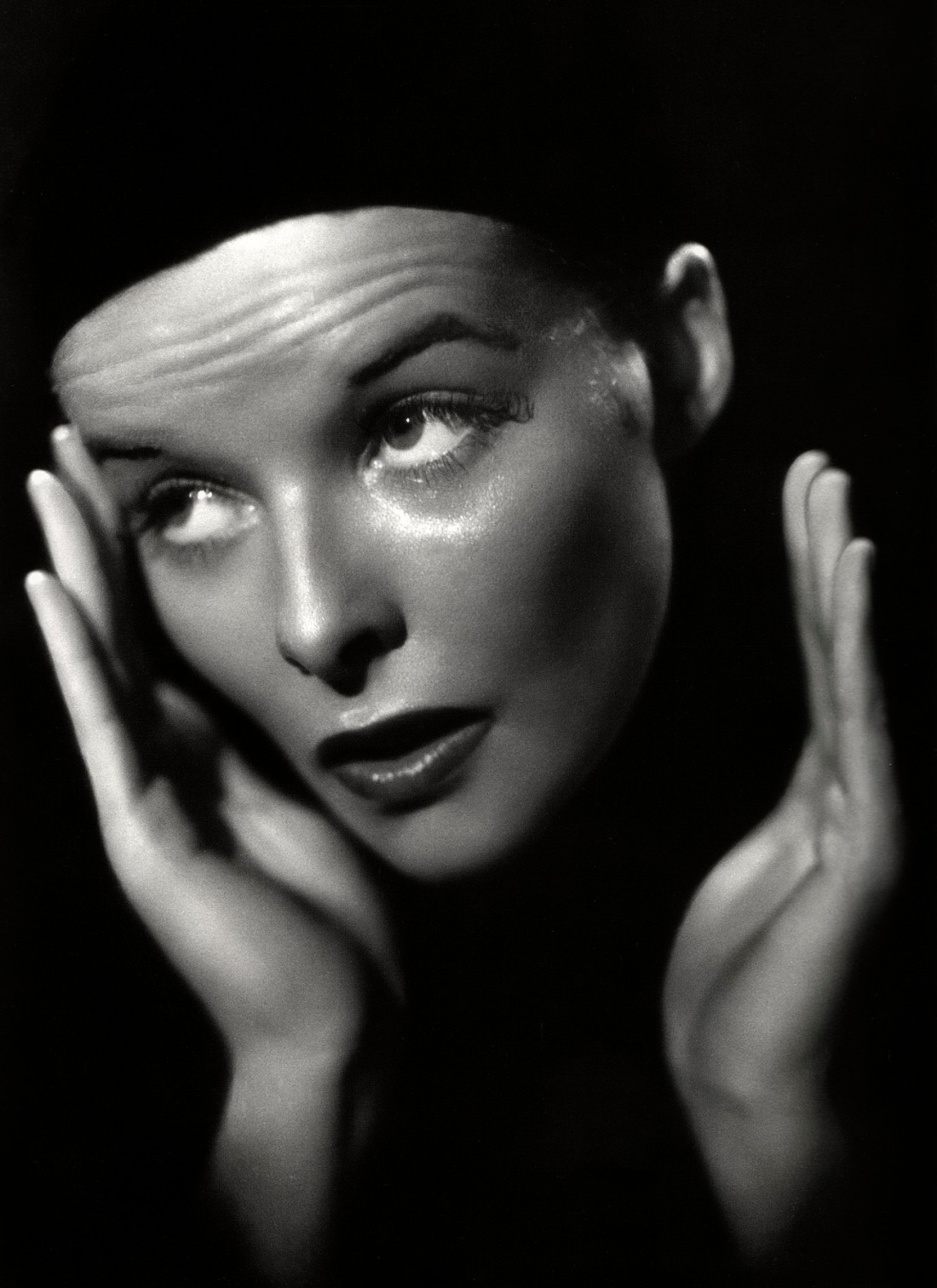
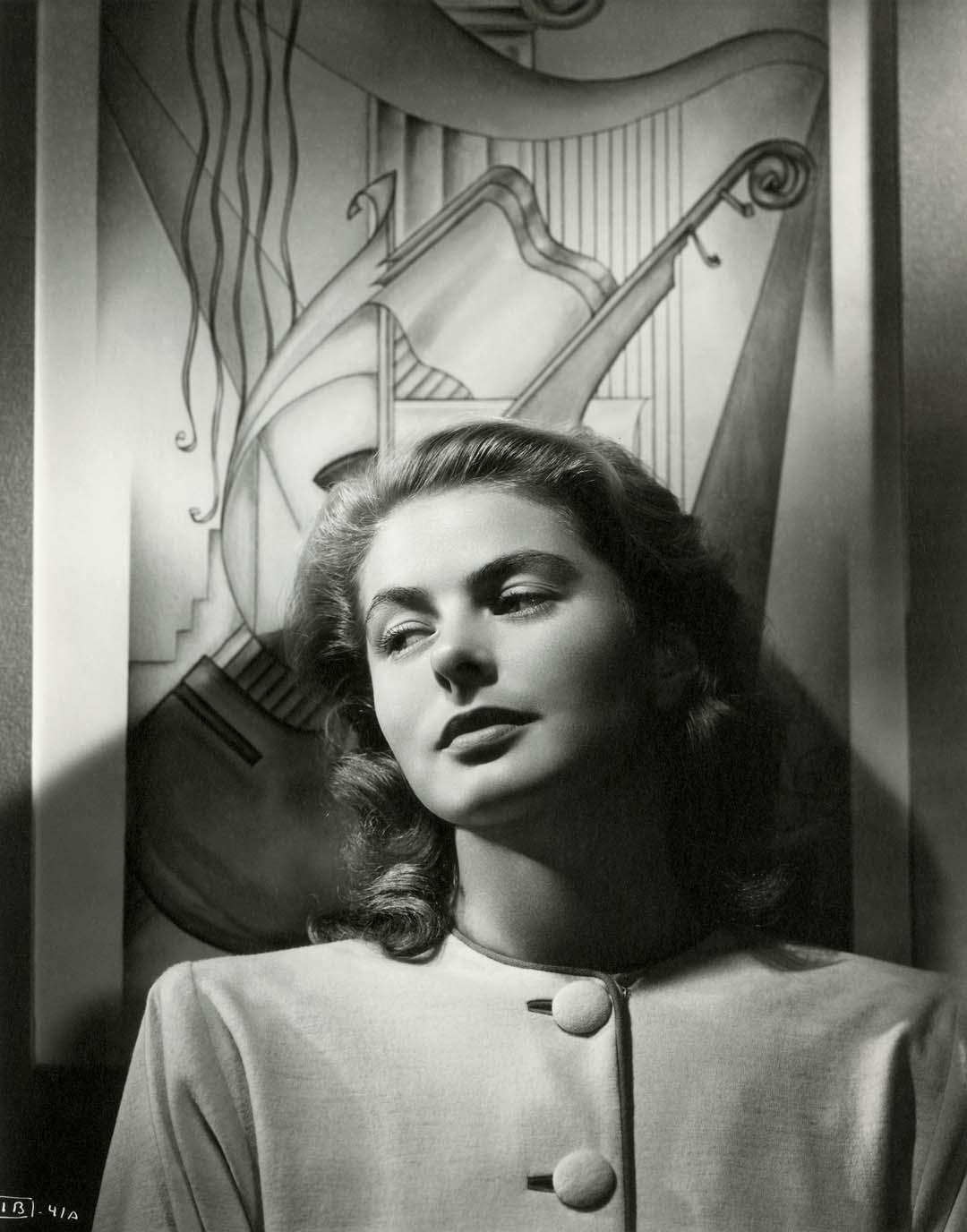

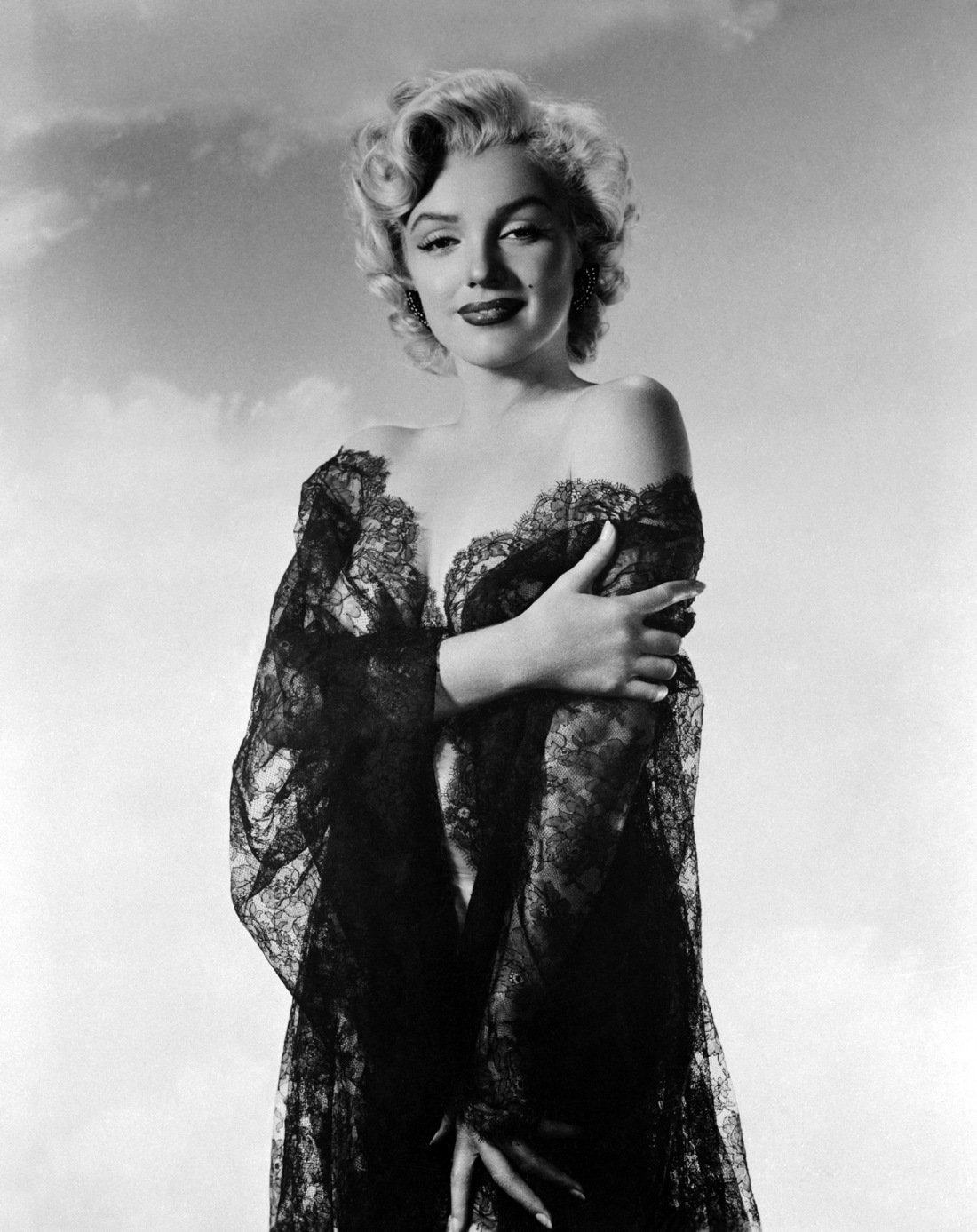

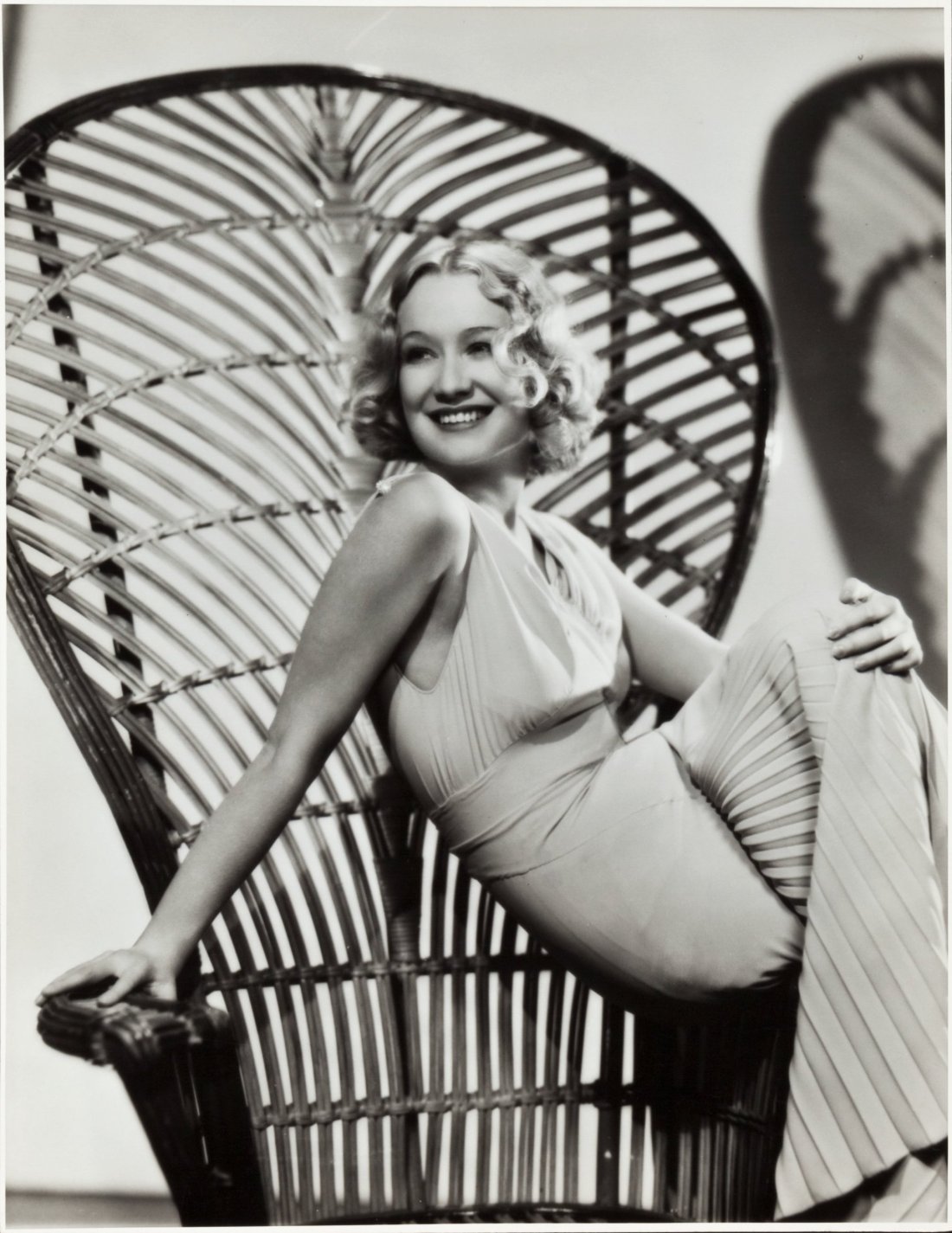
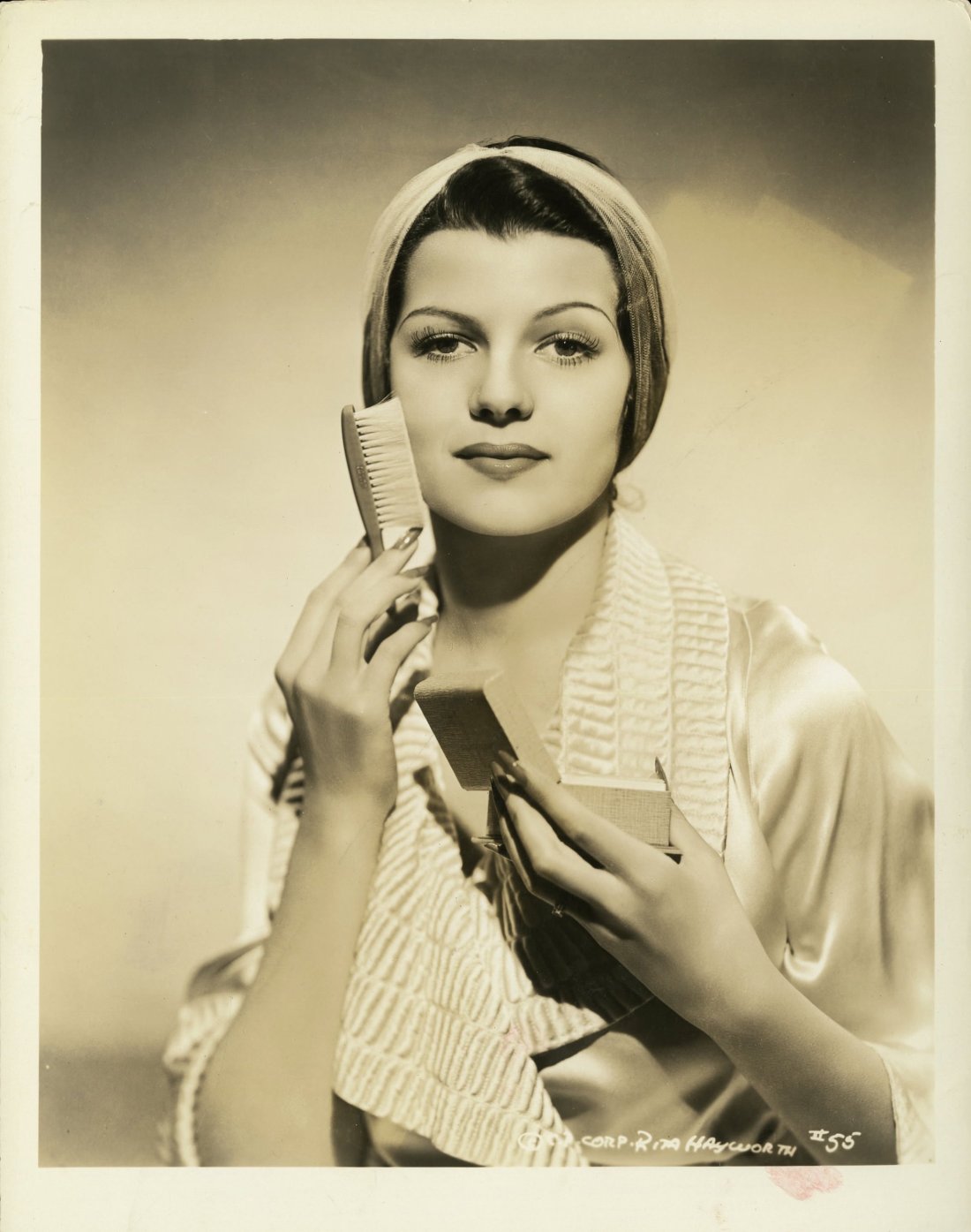
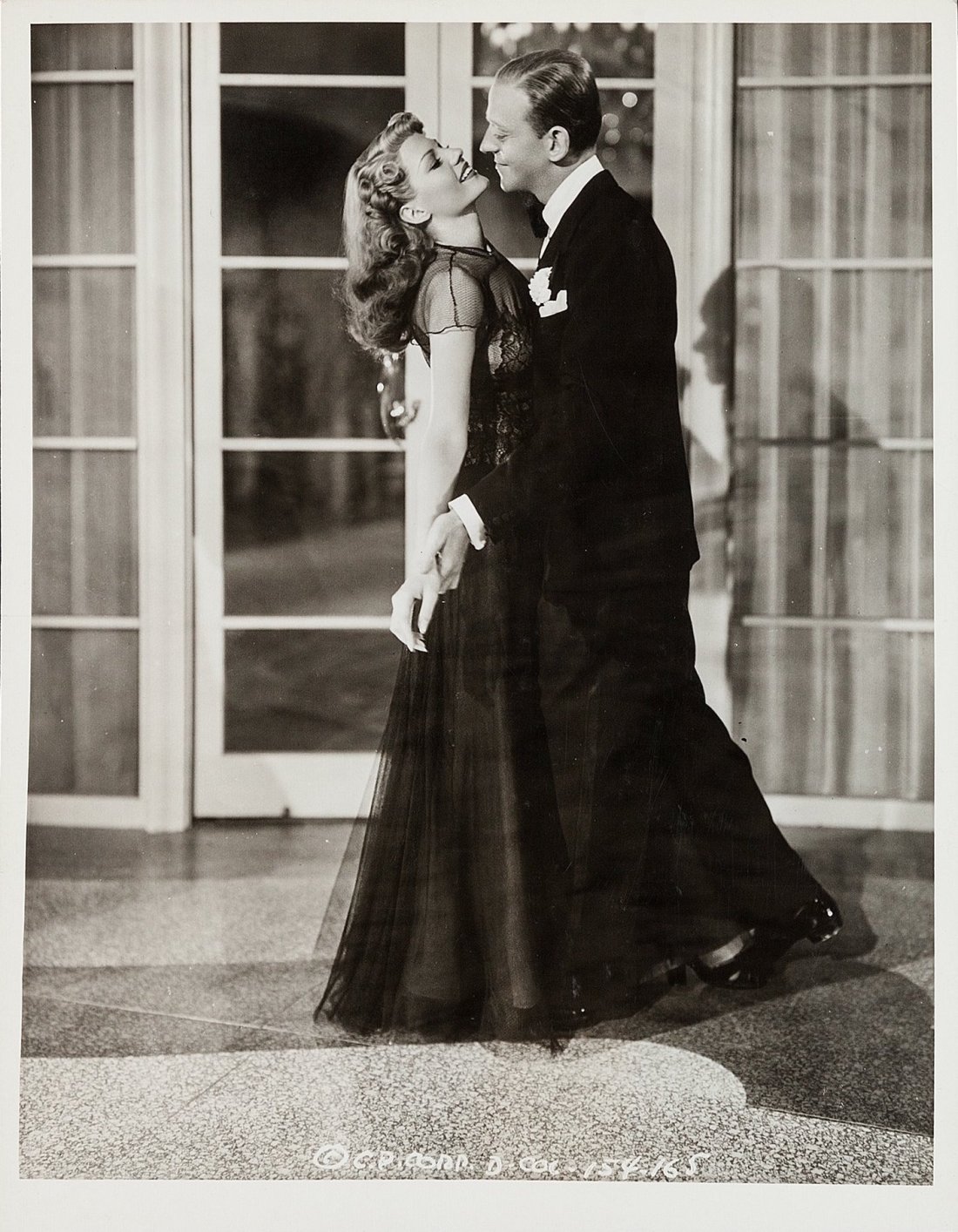
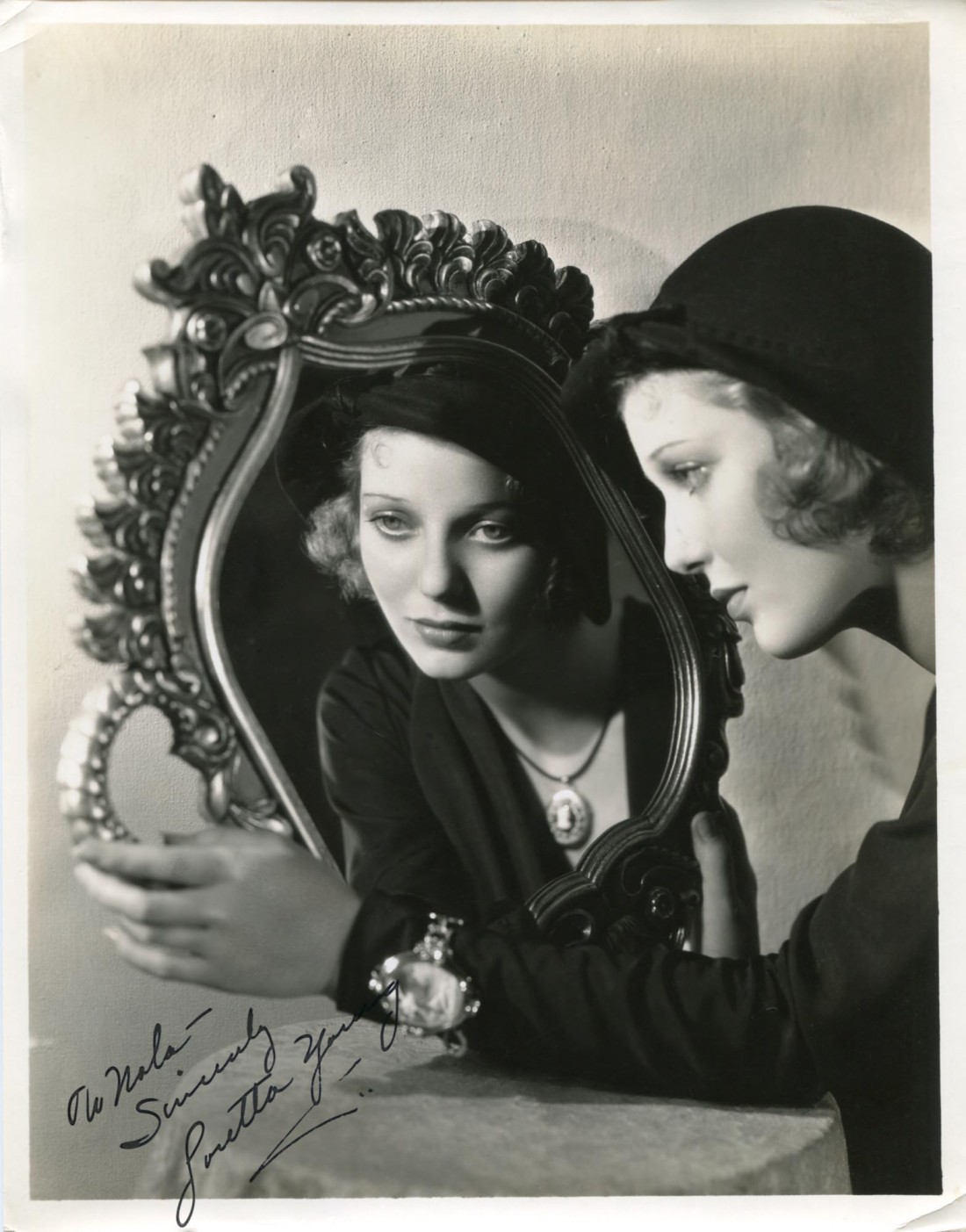
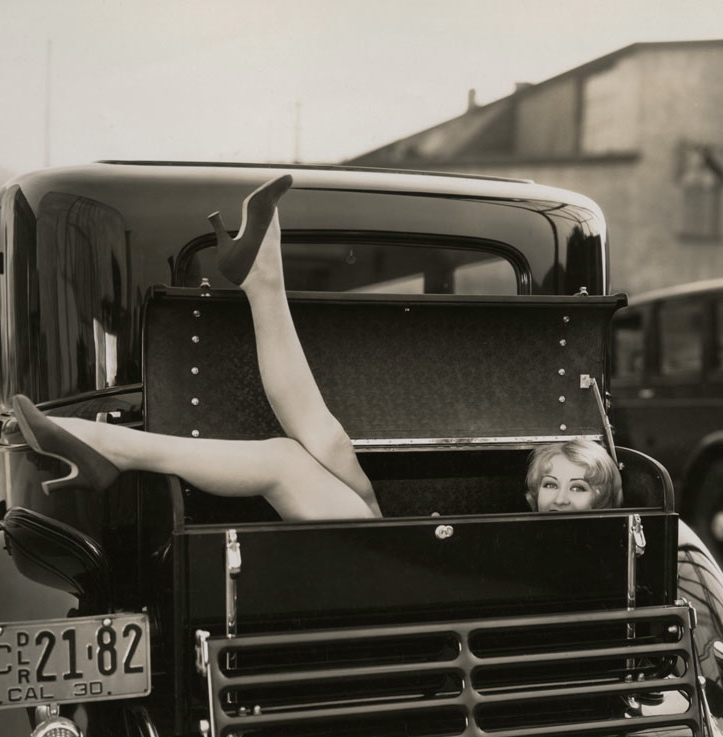
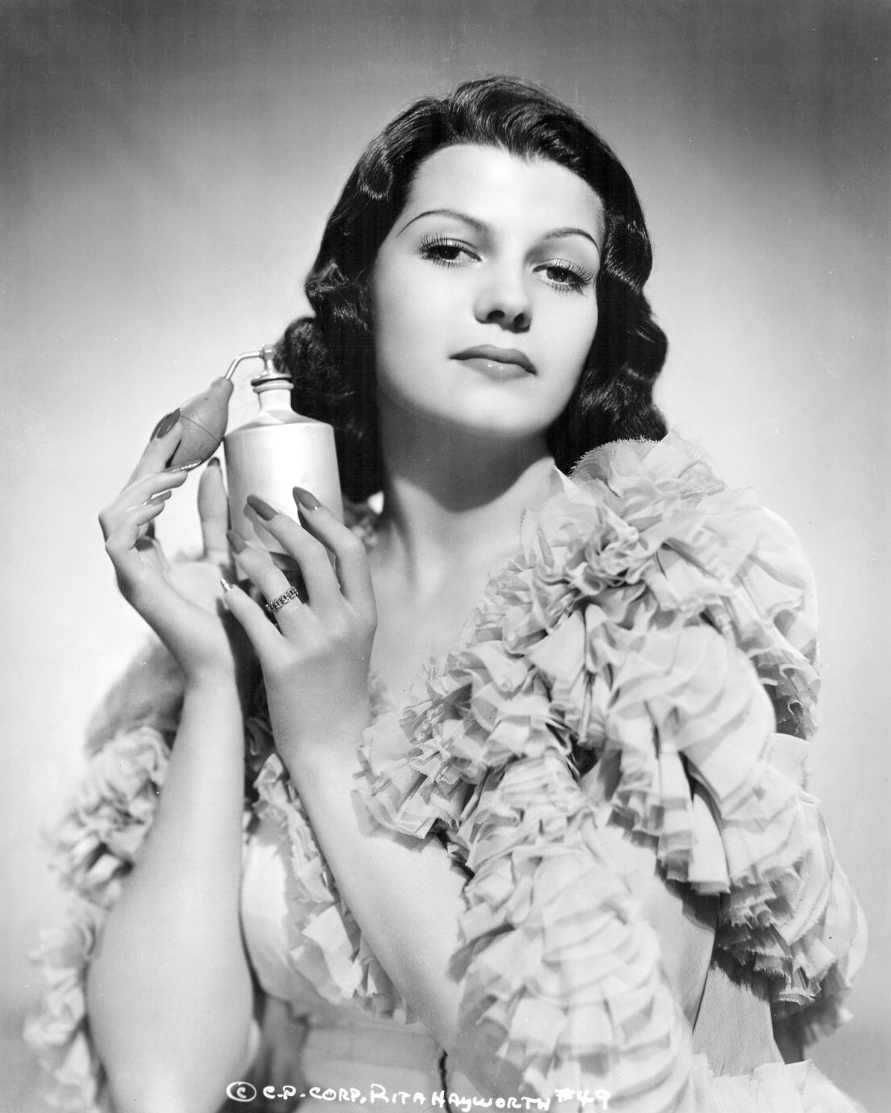
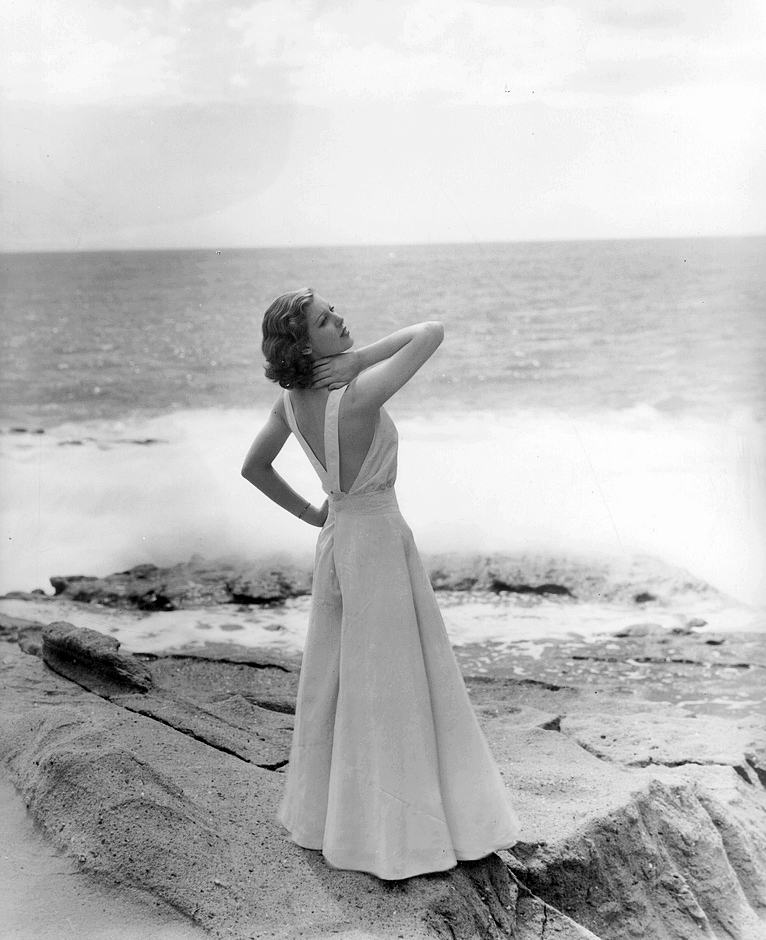
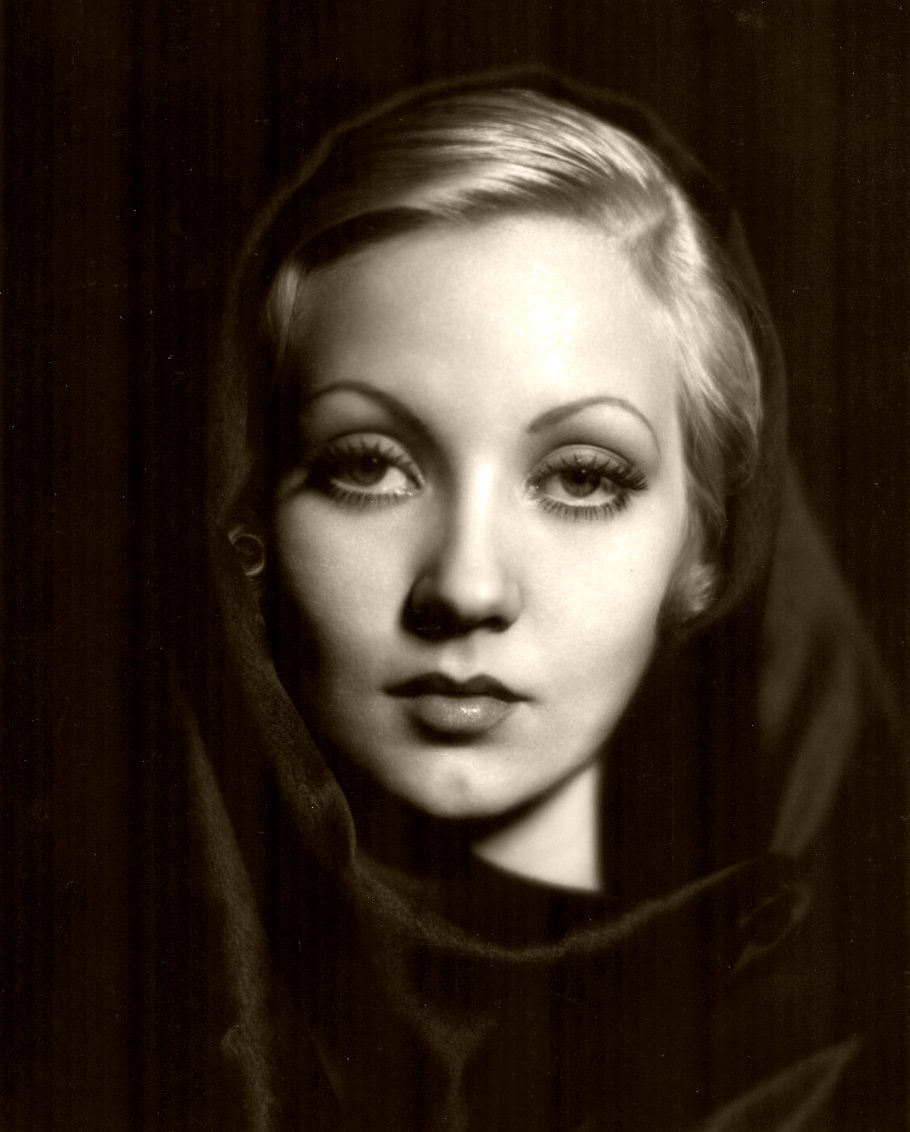

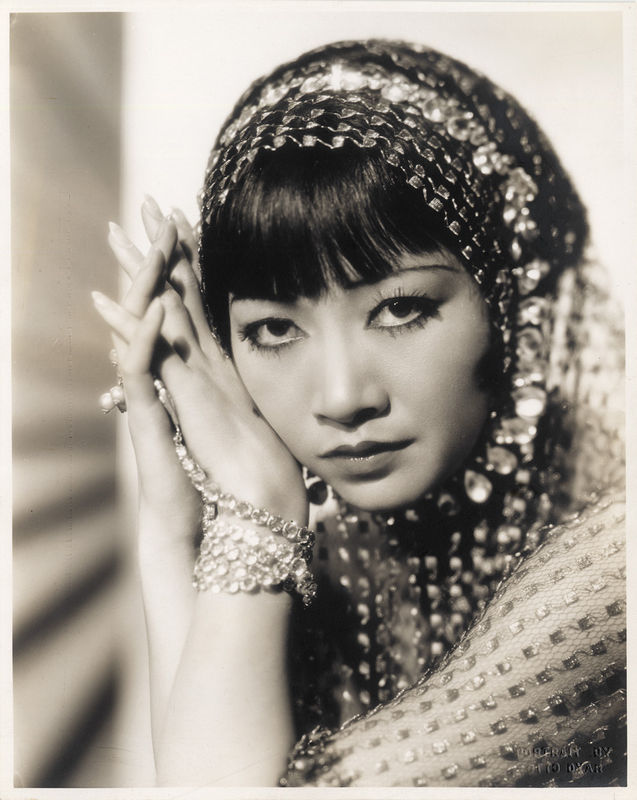
Otto Dyar was a prominent stills photographer who began his career at the Paramount studios in the 1920s. Initially working as an assistant on major film productions such as the 1927 ‘Wings’, Dyar quickly rose through the ranks to become one of Hollywood’s most notable image-makers.
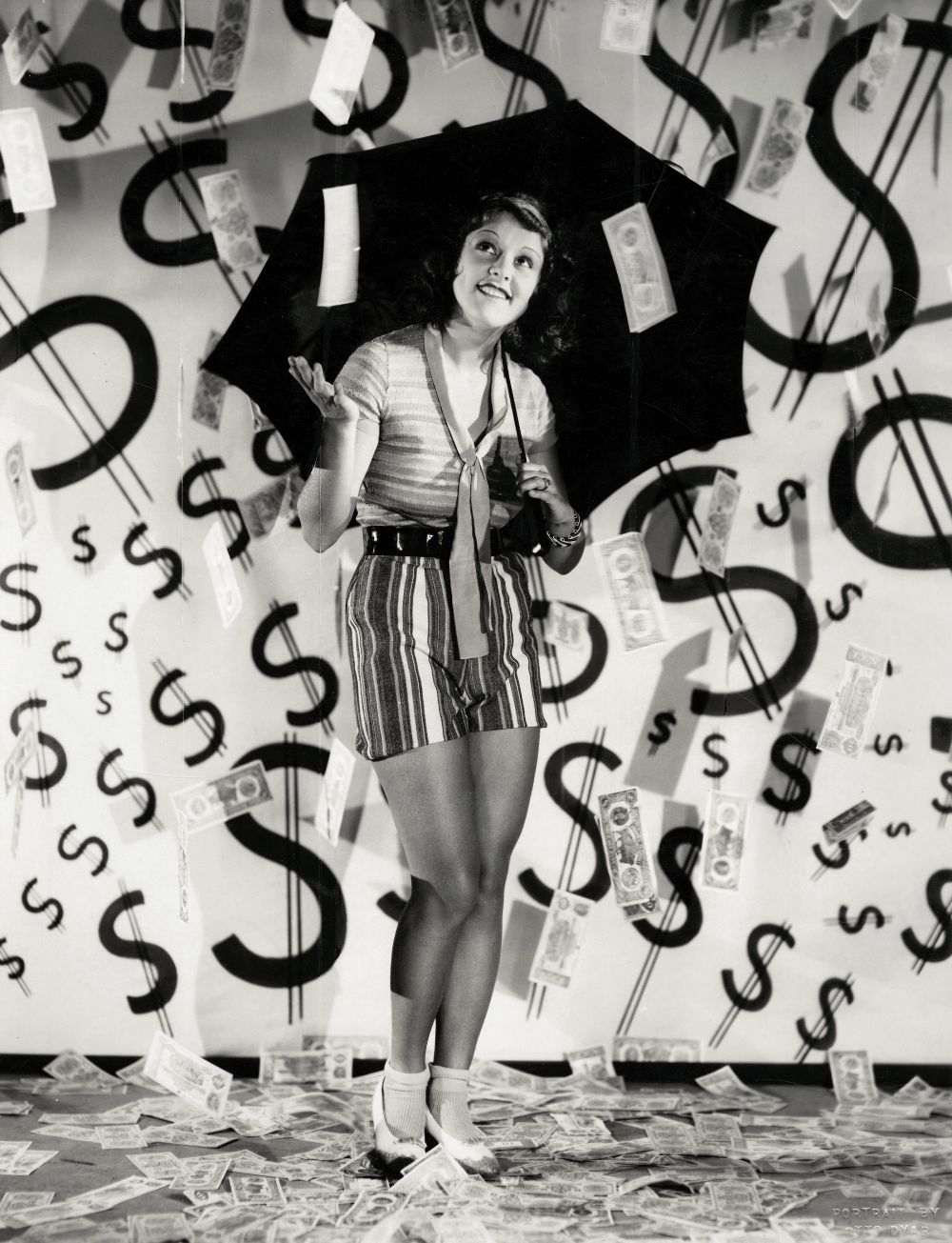
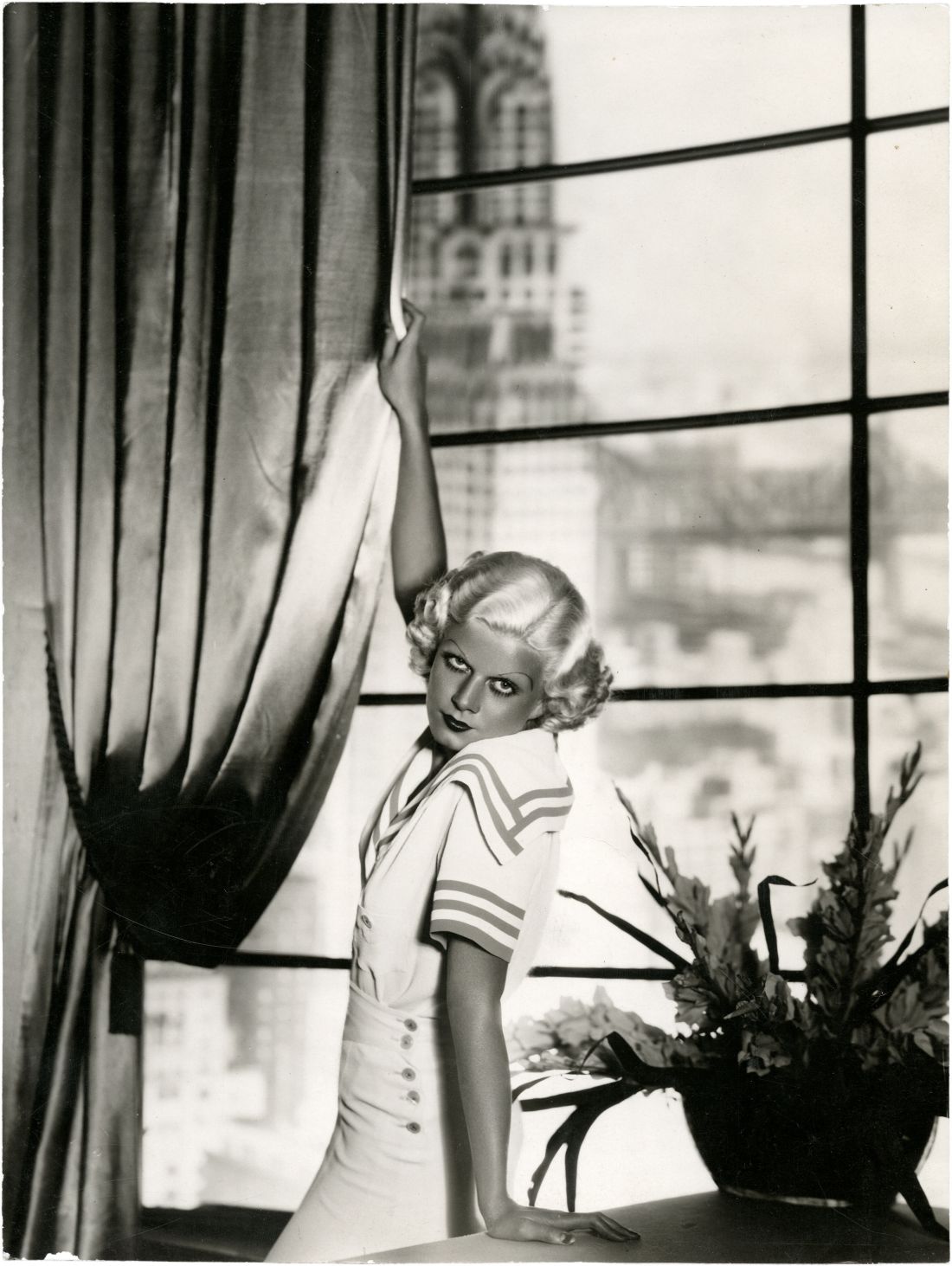
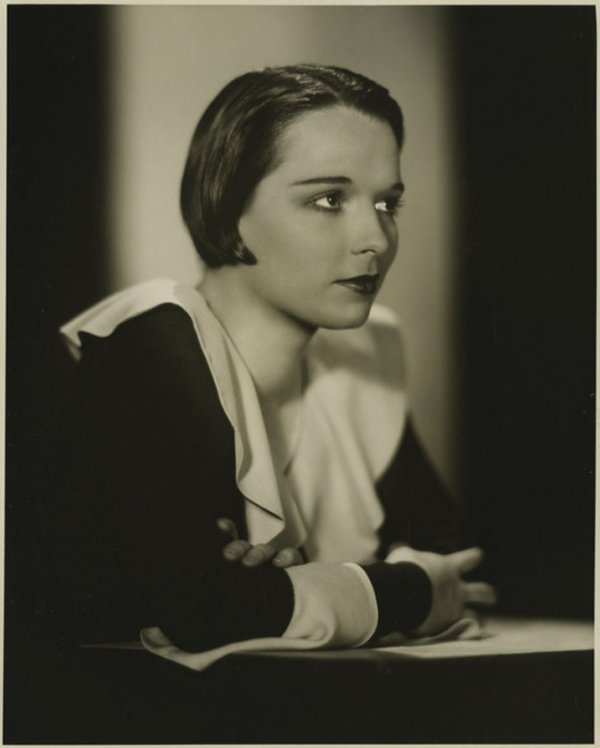
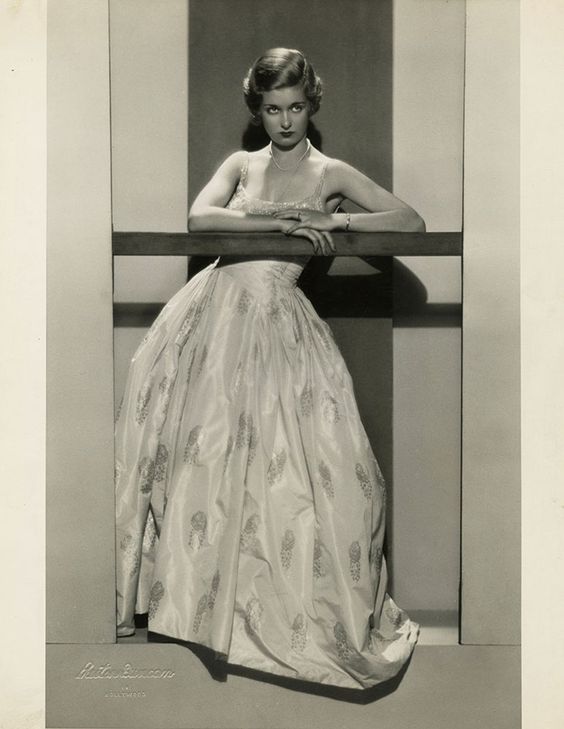
During the 1930s and 40s, Dyar developed his own, highly dramatic style of lighting and photography that deviated from the neoclassical glamor of the 1920s. Edgy and expressionistic, Dyar’s photographs pushed the iconic features of movie stars like Carole Lombard, Cary Grant, Kay Francis and Joan Crawford to a grittier place that was more in accord with the aesthetics of films made in those decades. Of particular note are Dyar’s star portraits taken outside of the studio, an unusual and daring step at the time.
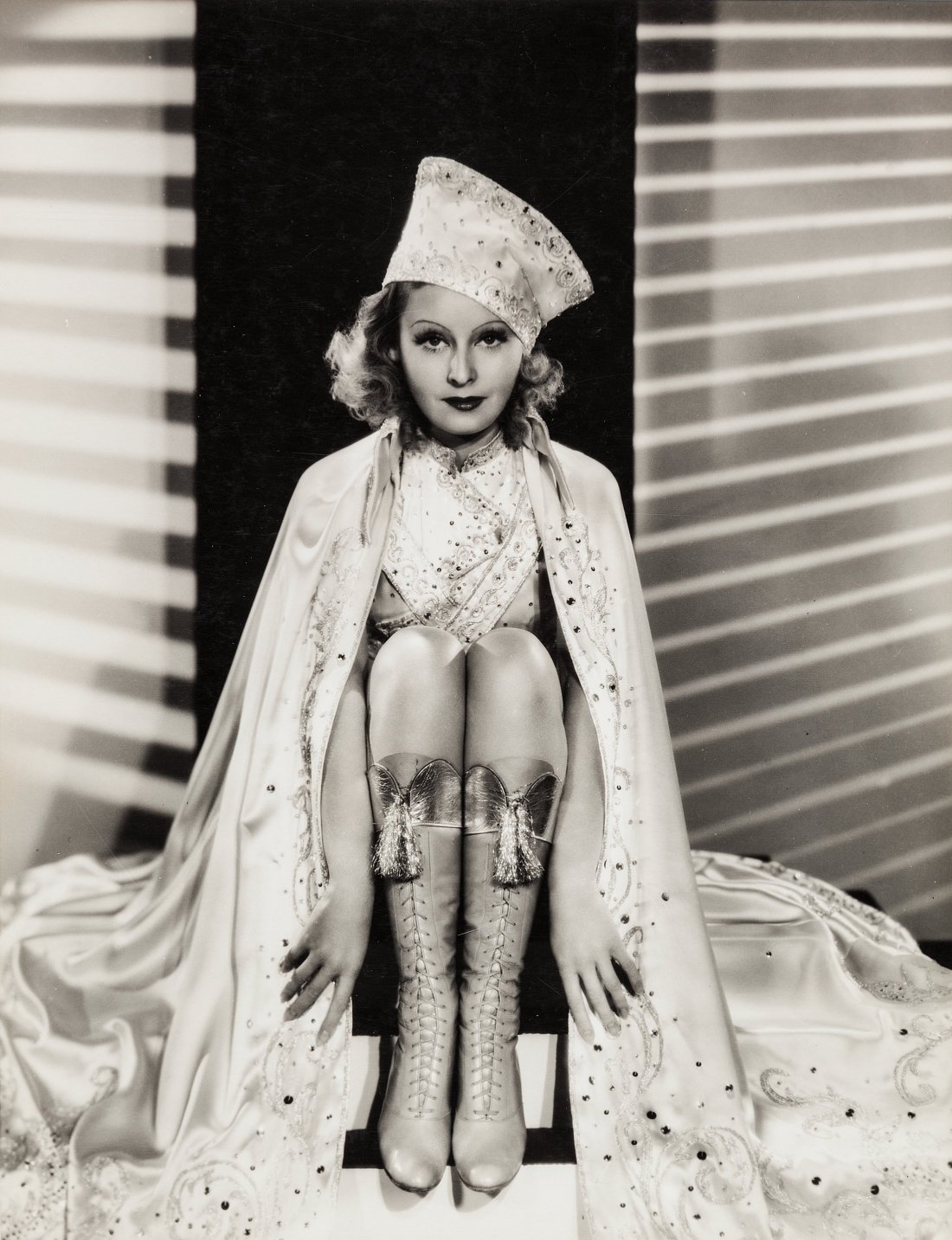
Despite all the high-contrast lighting, skewed angles and often tiny ‘surrealist’ interventions that point to the influence of photographers like Man Ray, Dyar faithfully accomplished the task of elevating the studio stars to the realm of deities. Like his peers George Hurrell, Ted Allen and Clarence Sinclair Bull, Dyar was not concerned with the psychologies of his sitters. What interested him was amplifying and consolidating the image the stars exuded in their roles, which was usually so powerful that it eclipsed the ‘real’ person that was in front of the camera. As noted by film historian John Kobal, Hollywood stills photographers like Dyar ‘were not mirroring life, but illusion; their subjects were not humans but gods – of love, of allure, of luxury, perfection incarnate from the golden age of Hollywood glamor.
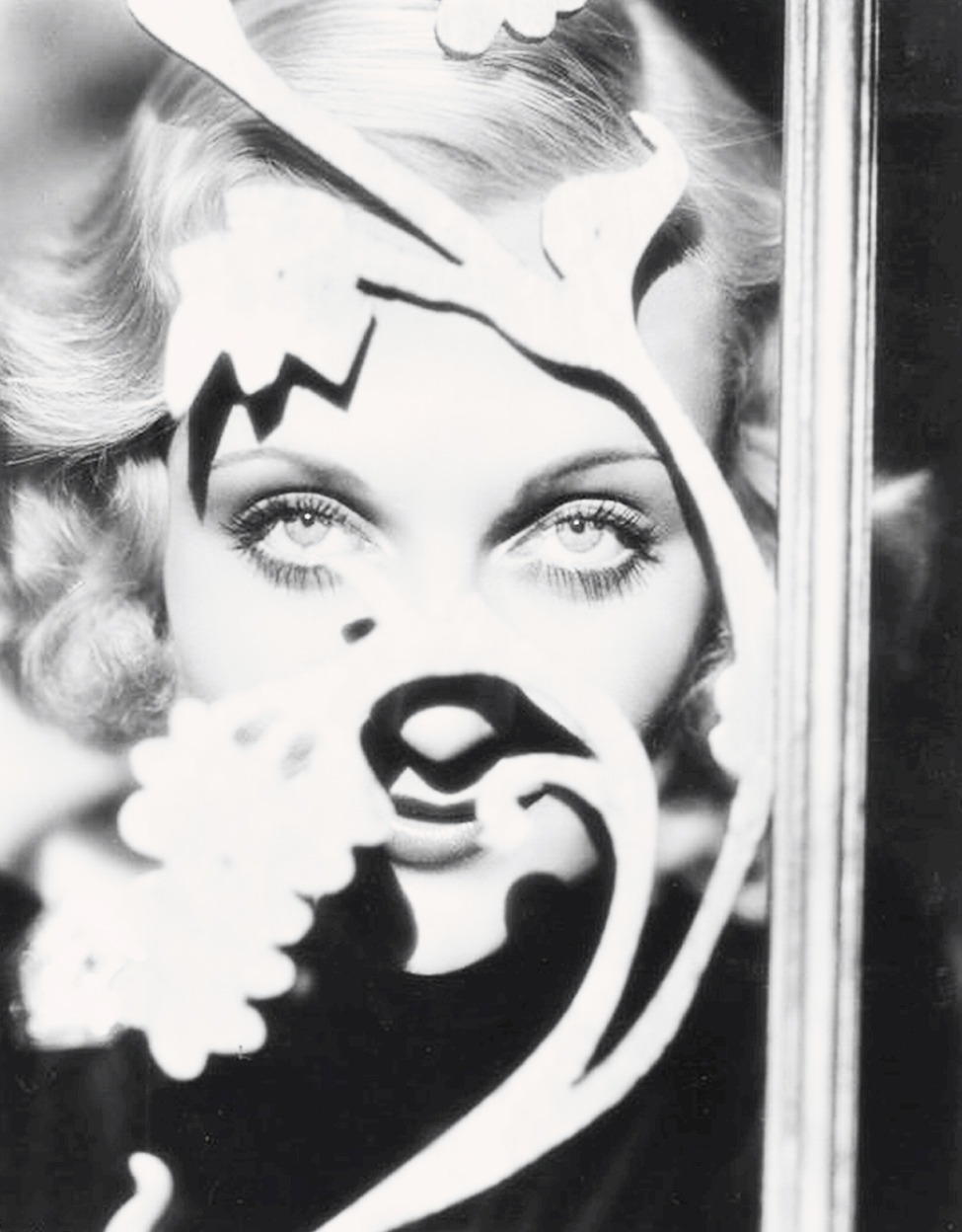
During the 1950s, Dyar left Paramount and moved to MGM where he continued to work up to mid 1950s. His work can be found in the collections of Metropolitan Museum of Art and other major art museums throughout the USA.
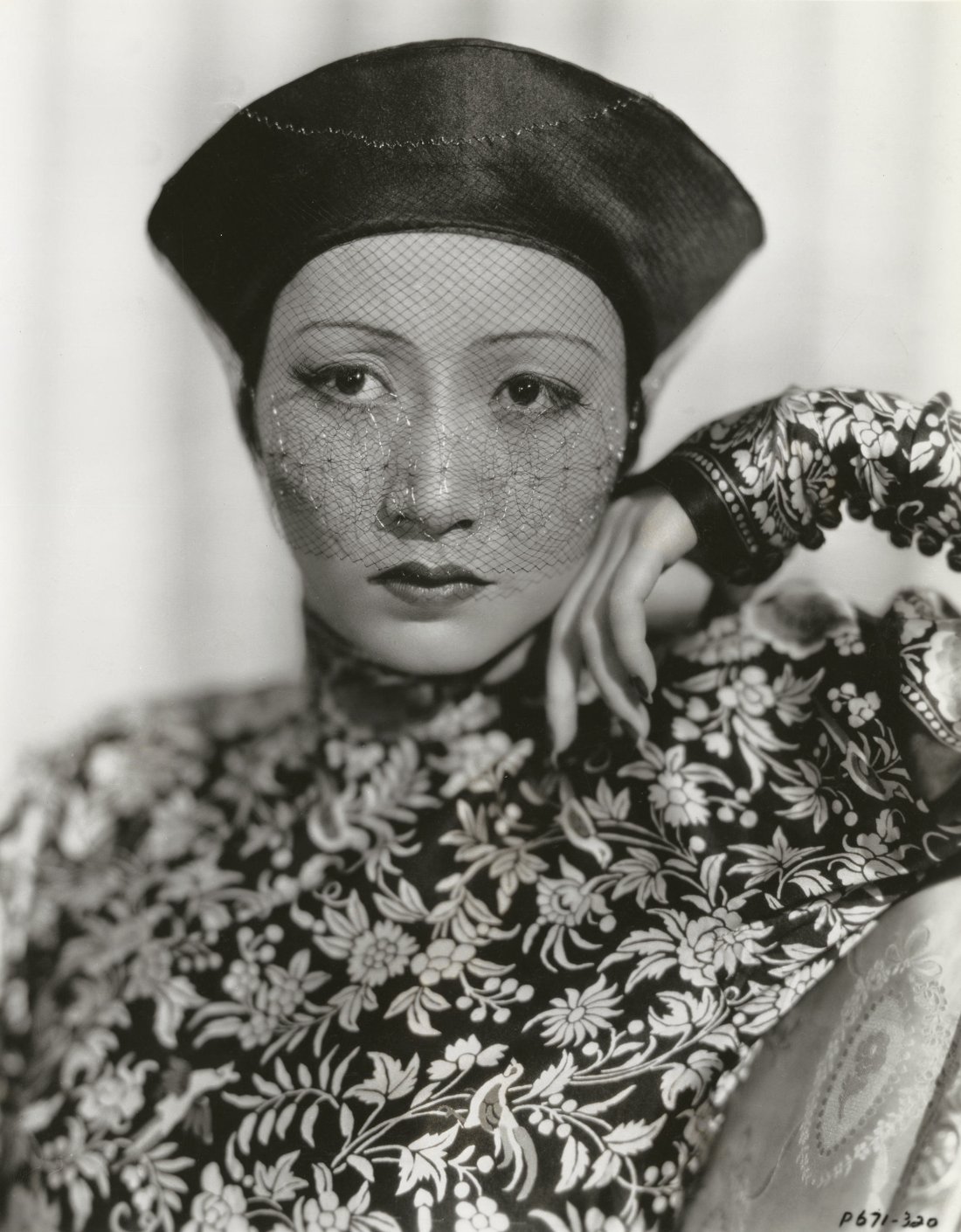

His career began when Samuel Goldwyn hired him in the 1920 to photograph publicity stills of the MGM stars. He is most famous for his photographs of Greta Garbo taken during the years of 1926-1941. Bull’s first portrait of Garbo was a costume study for the Flesh and the Devil, in September 1926.
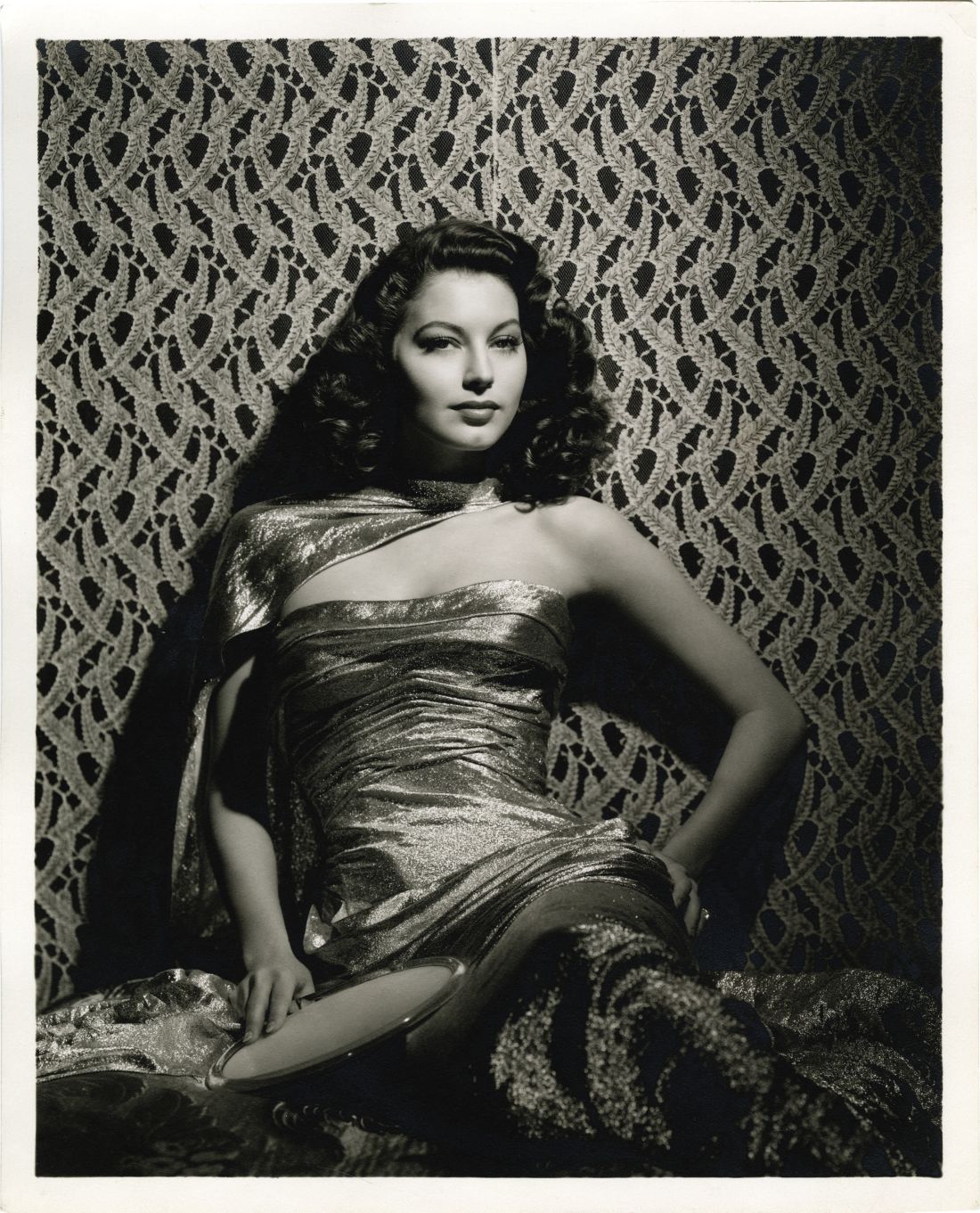
Bull was able to study with the great Western painter, Charles Marion Russell. He also served as an assistant cameraman in 1918. Bull was skilled in the areas of lighting, retouching, and printing. He was most commonly credited as “C.S. Bull.”
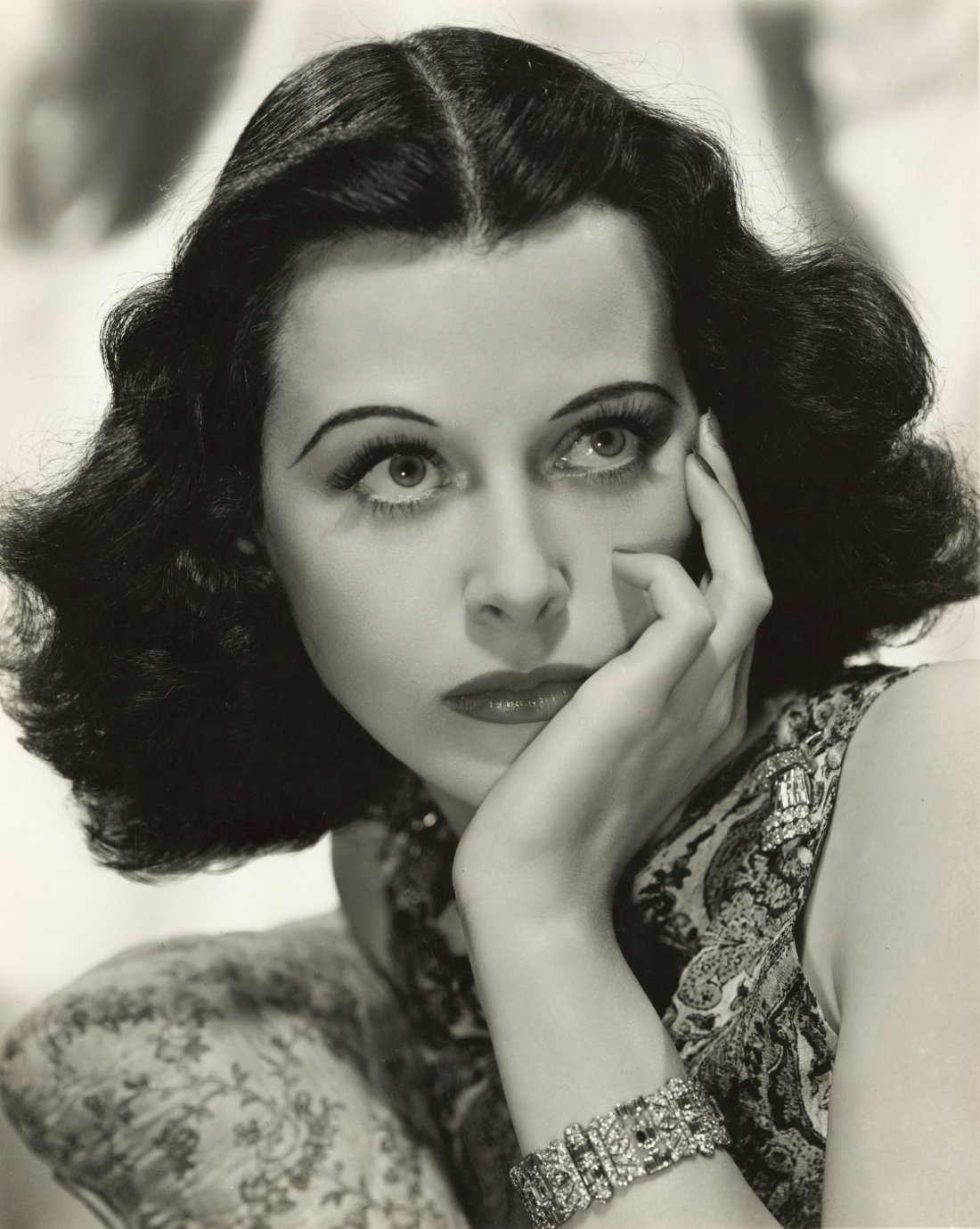
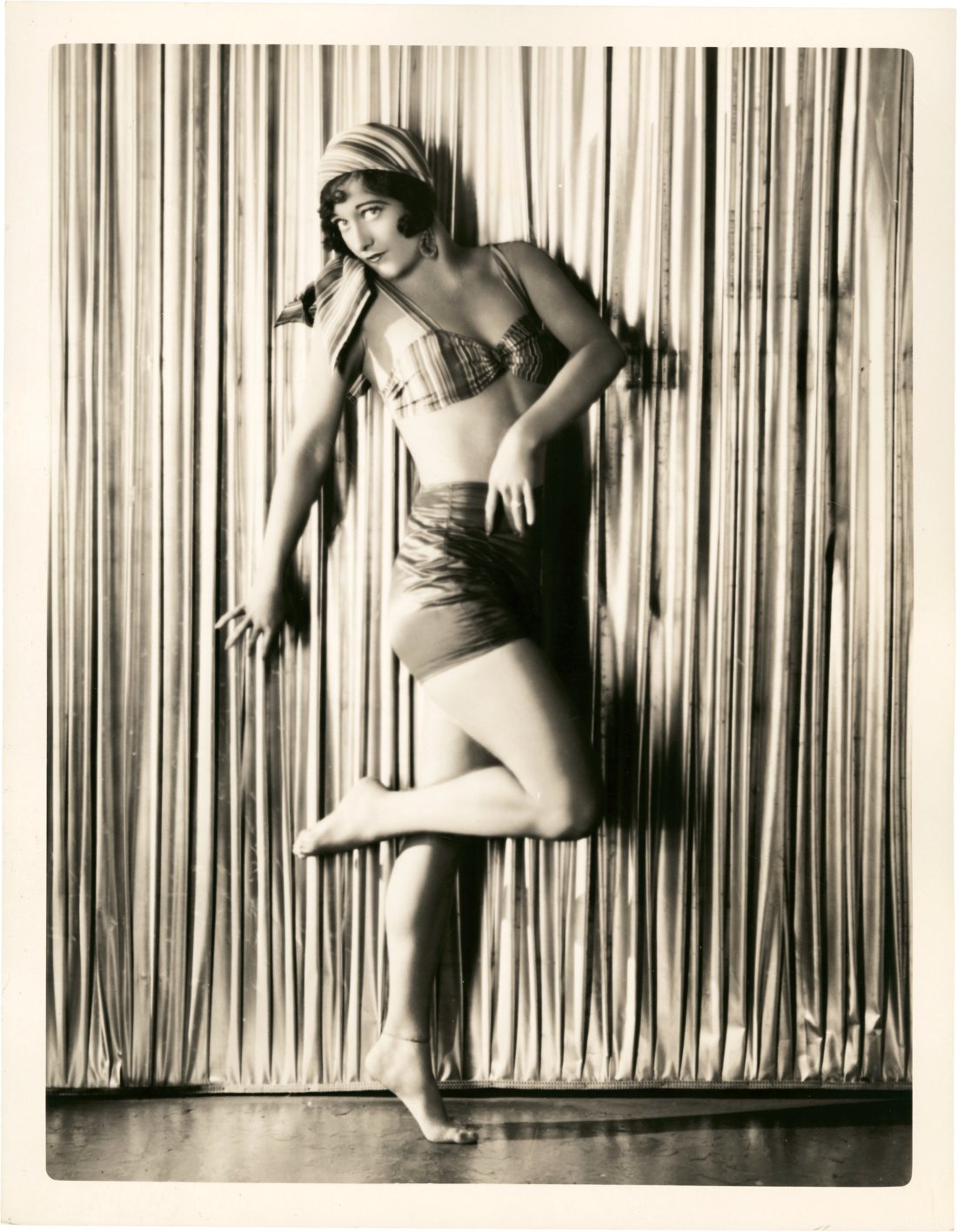
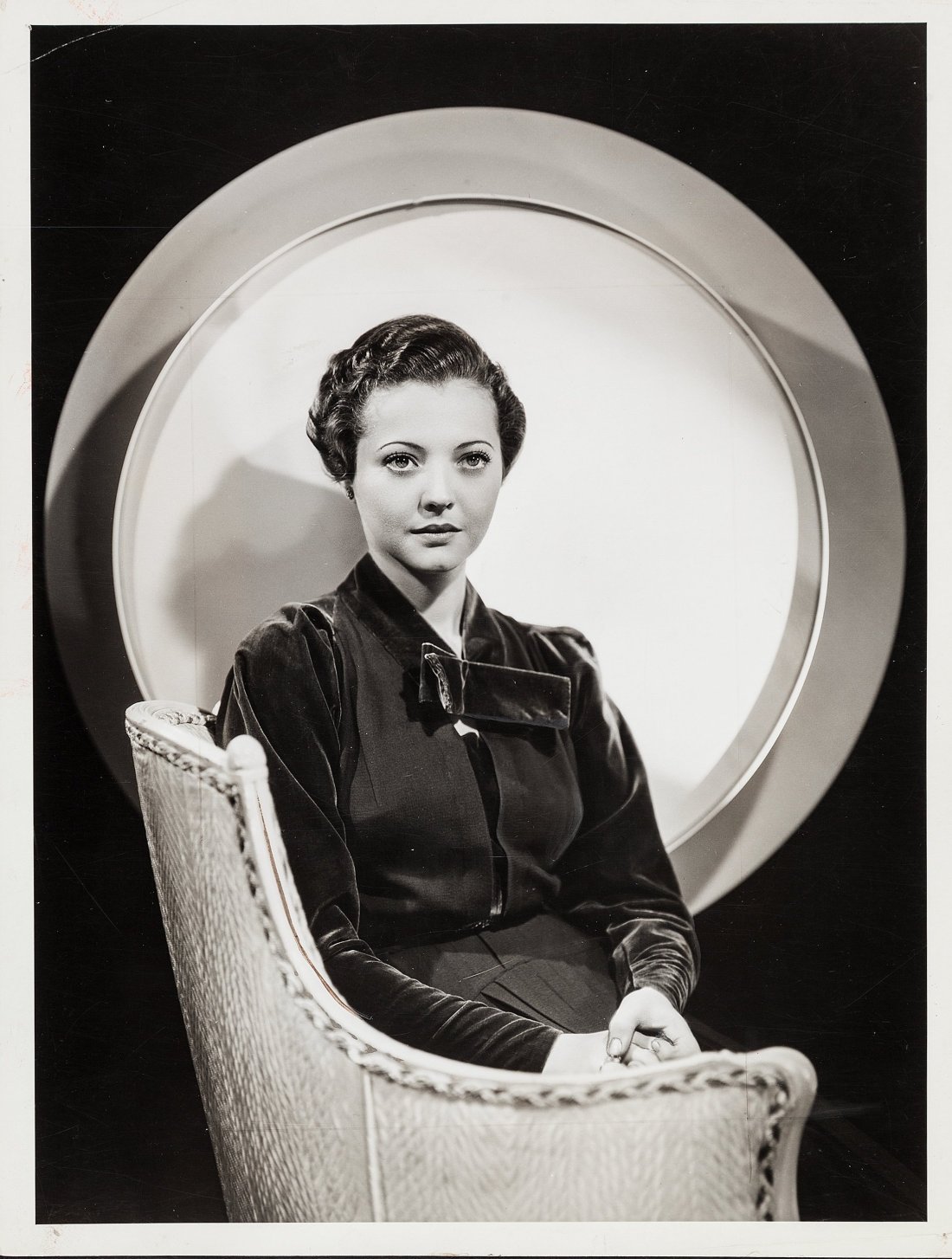
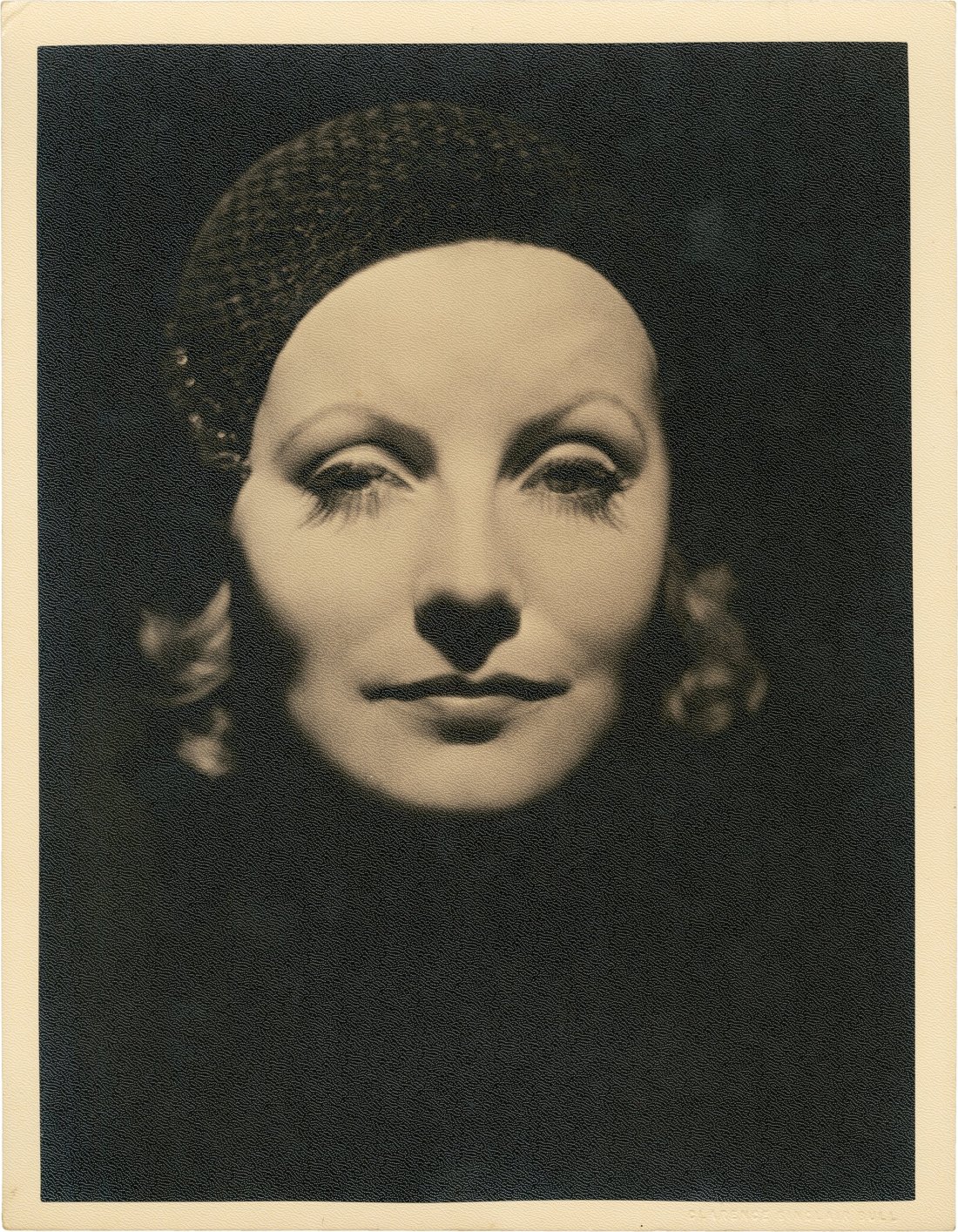
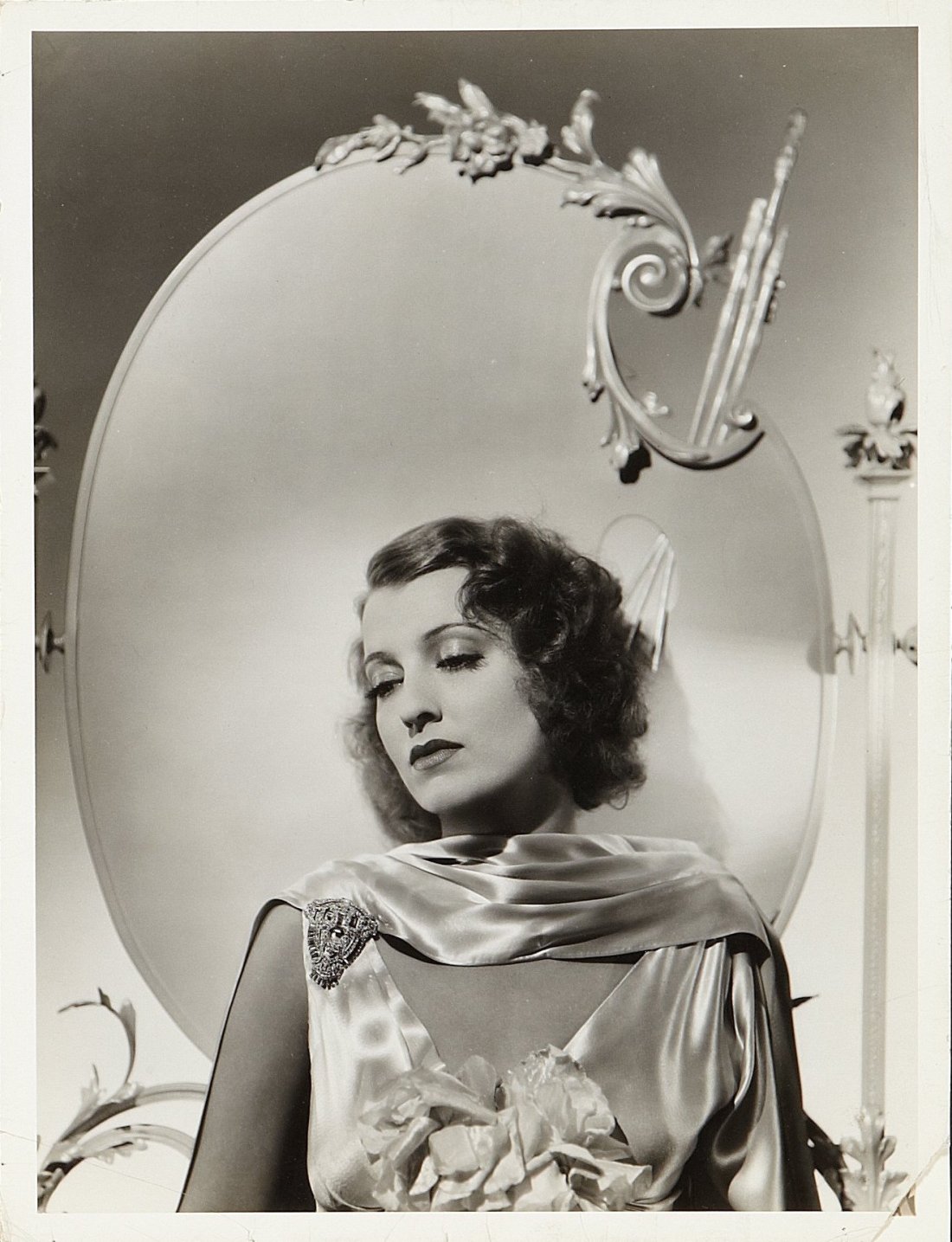
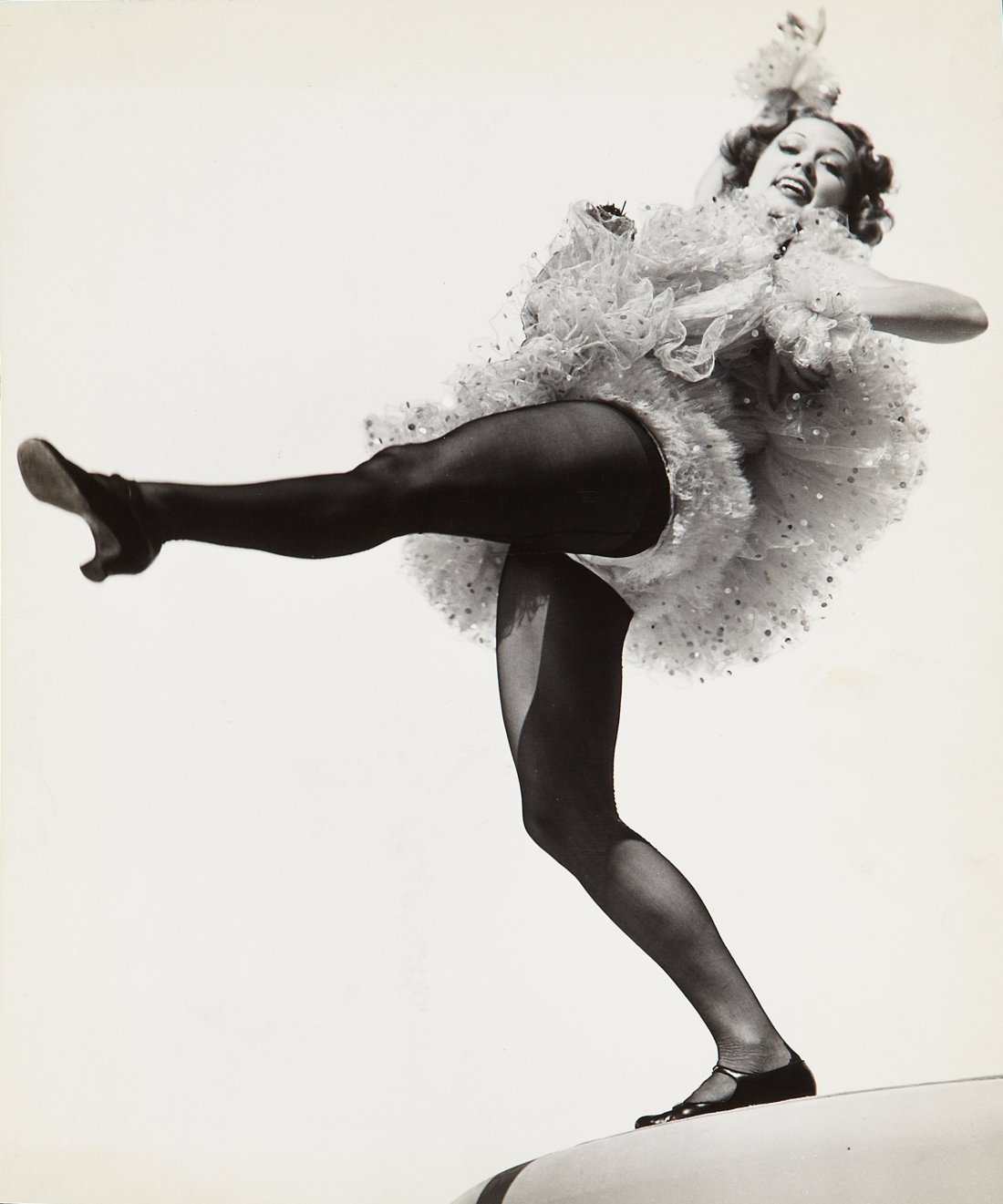

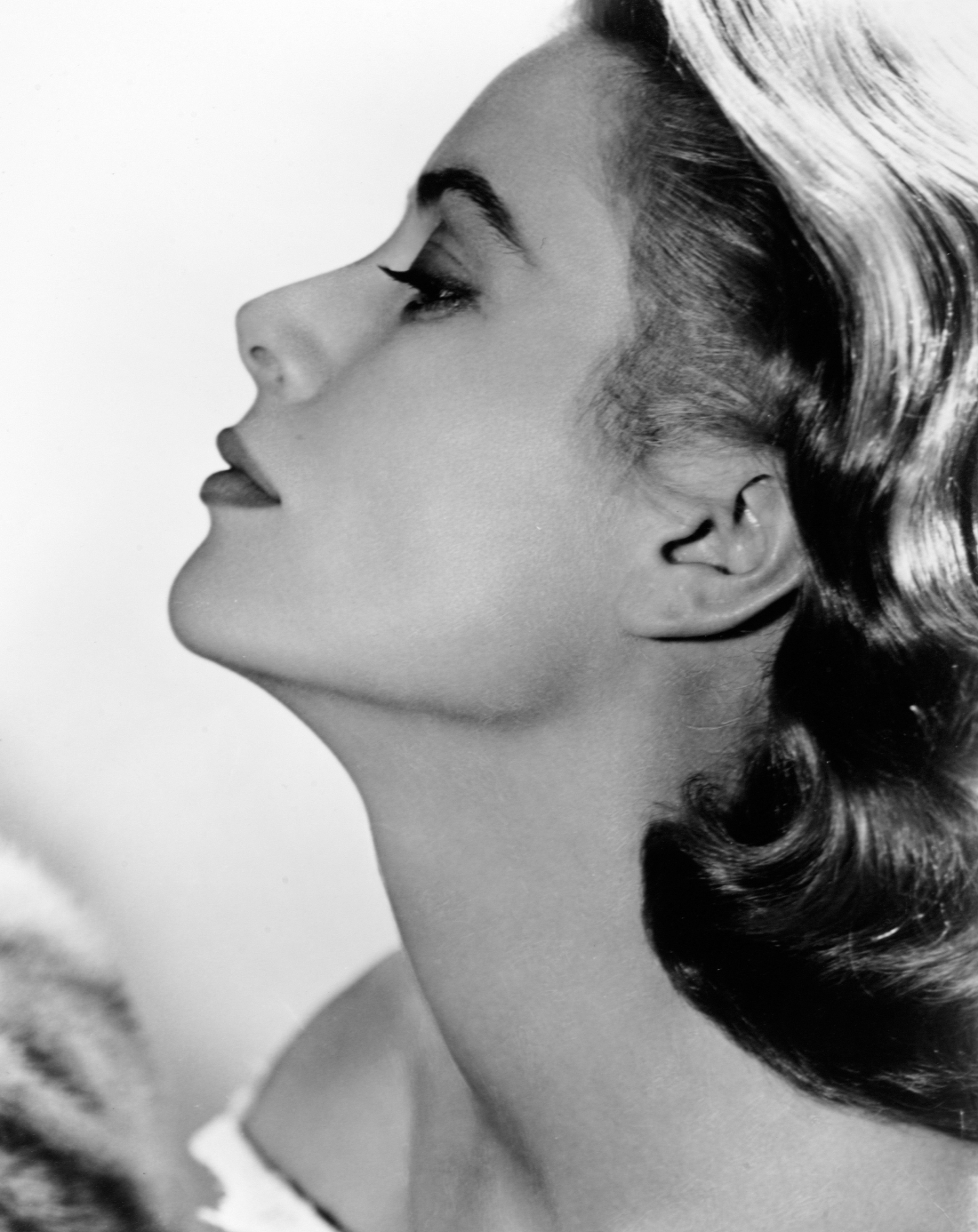
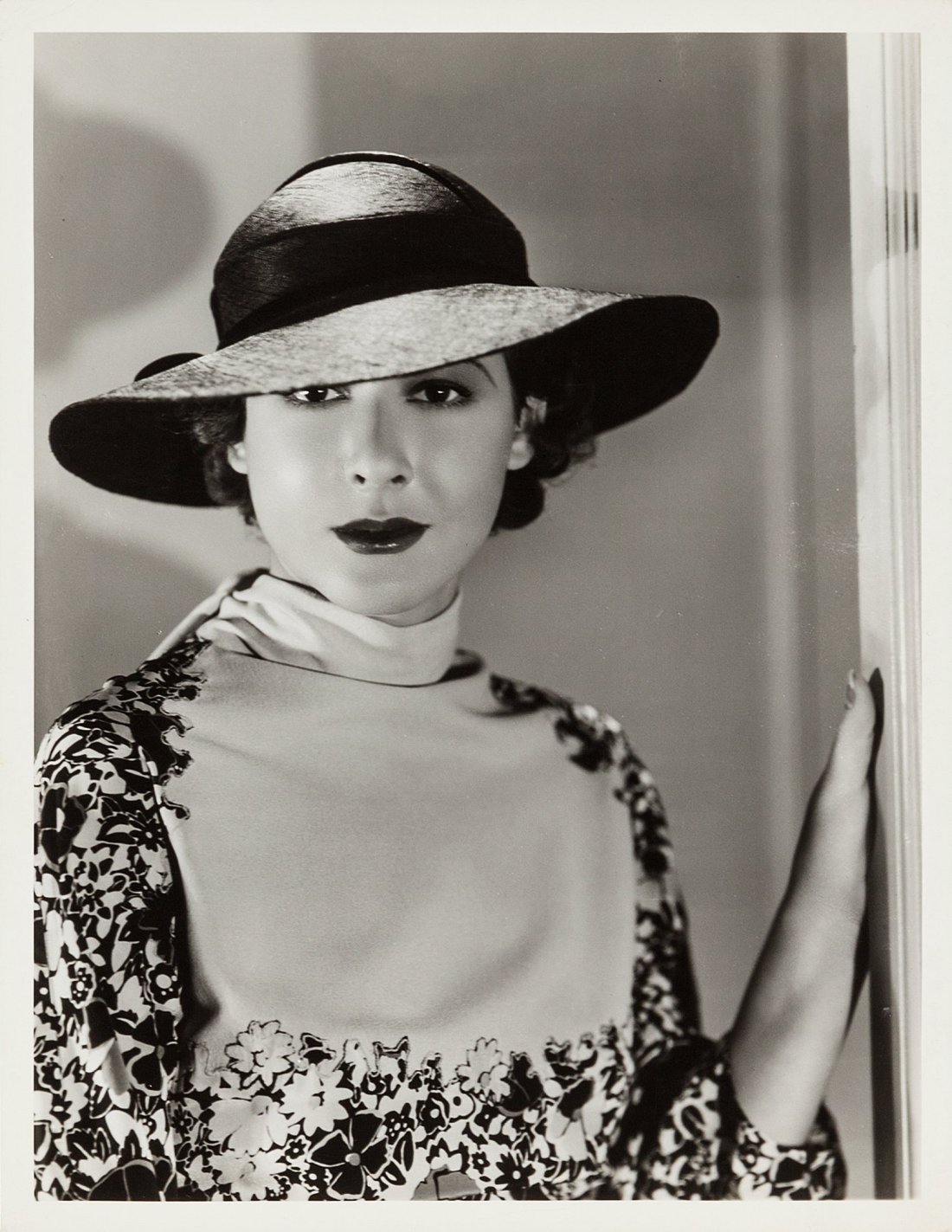

Hurrell originally studied as a painter with no particular interest in photography. He first began to use photography only as a medium for recording his paintings. After moving to Laguna Beach, California from Chicago, Illinois in 1925 he met many other painters who had connections. One of those connections was Edward Steichen who encouraged him to pursue photography after seeing some of his works. Hurrell also found that photography was a more reliable source of income than painting. Hurrell was an apprentice to Eugene Hutchinson. His photography was encouraged by his friend aviator Pancho Barnes, who often posed for him. He eventually opened a photographic studio in Los Angeles.

In the late 1920s, Hurrell was introduced to the actor Ramon Novarro, by Pancho Barnes, and agreed to take a series of photographs of him. Novarro was impressed with the results and showed them to the actress Norma Shearer, who was attempting to mould her wholesome image into something more glamorous and sophisticated in an attempt to land the title role in the movie The Divorcee. She asked Hurrell to photograph her in poses more provocative than her fans had seen before. After she showed these photographs to her husband, MGM production chief Irving Thalberg, Thalberg was so impressed that he signed Hurrell to a contract with MGM Studios, making him head of the portrait photography department. But in 1932, Hurrell left MGM after differences with their publicity head, and from then on until 1938 ran his own studio at 8706 Sunset Boulevard.

Throughout the decade, Hurrell photographed every star contracted to MGM, and his striking black-and-white images were used extensively in the marketing of these stars. Among the performers regularly photographed by him during these years were silent screen star Dorothy Jordan, as well as Myrna Loy, Robert Montgomery, Jean Harlow, Joan Crawford, Clark Gable, Rosalind Russell, Marion Davies, Jeanette MacDonald, Anna May Wong, Carole Lombard and Norma Shearer, who was said to have refused to allow herself to be photographed by anyone else. He also photographed Greta Garbo at a session to produce promotional material for the movie Romance. The session didn’t go well and she never used him again.

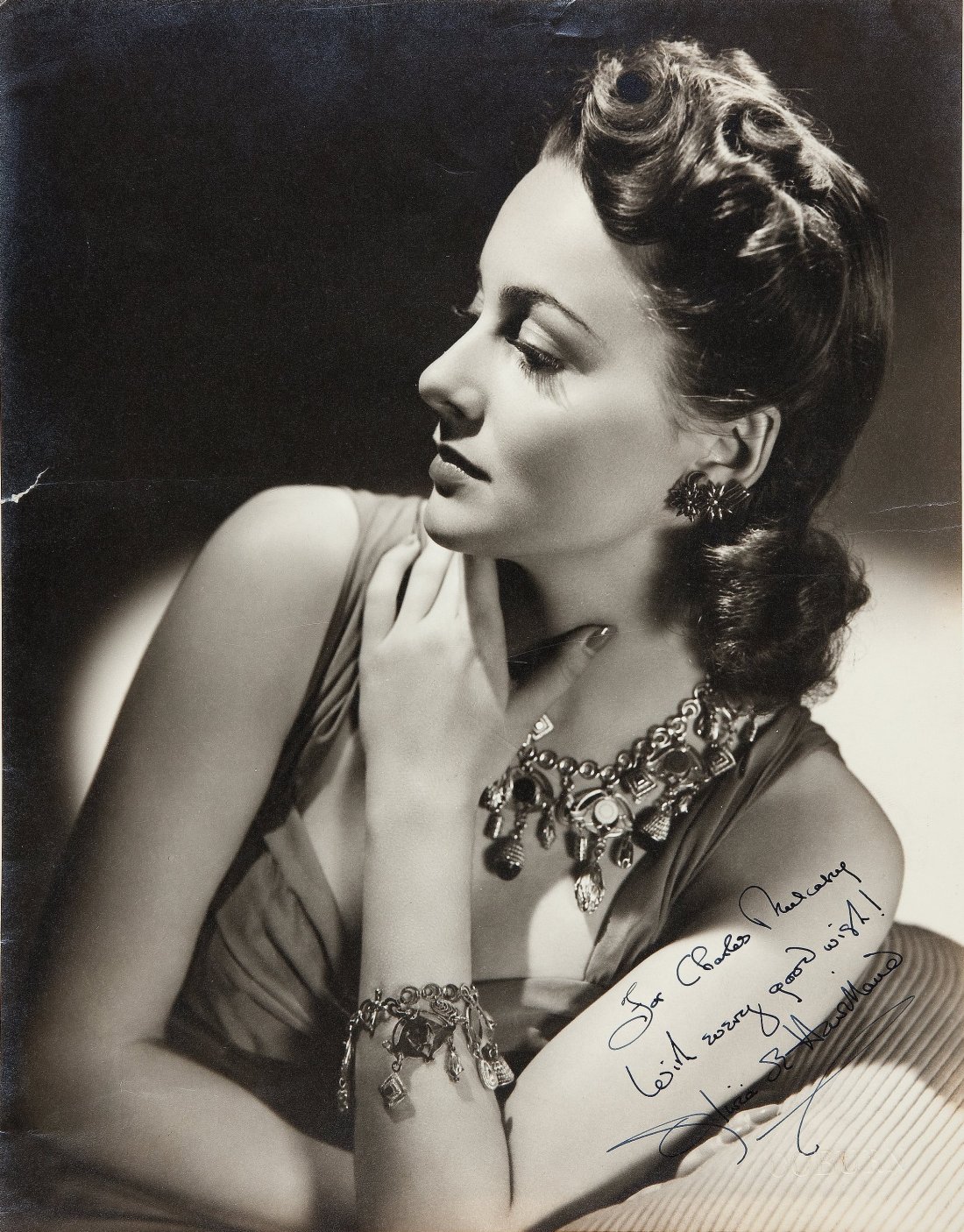
In the early 1940s Hurrell moved to Warner Brothers Studios photographing, among others Bette Davis, Ann Sheridan, Errol Flynn, Olivia de Havilland, Ida Lupino, Alexis Smith, Lauren Bacall, Humphrey Bogart and James Cagney. Later in the decade he moved to Columbia Pictures where his photographs were used to help the studio build the career of Rita Hayworth.

He left Hollywood briefly to make training films for the First Motion Picture Unit of the United States Army Air Forces. When he returned to Hollywood in the mid-1950s his old style of glamour had fallen from favour. Where he had worked hard to create an idealised image of his subjects, the new style of Hollywood glamour was more earthy and gritty, and for the first time in his career Hurrell’s style was not in demand. He moved to New York and worked for the advertising industry where glamour was still valued. He continued his work for fashion magazines and photographed for print advertisements for several years before returning to Hollywood in the 1960s.

After 1970, his most prominent work was as a photographer for album covers. He shot the cover photos for Cass Elliot’s self-titled album (1972), Tom Waits’ Foreign Affairs (1977), Fleetwood Mac’s Mirage (1982), Queen’s The Works (1984), Midge Ure’s The Gift (1985) and Paul McCartney’s Press to Play (1986).


Alexander commenced his photographic training with Vandyke as its London Court photographer and then to HH Pierce of Boston (1905–07) before joining Ernest Walter Histed (1908–09), an ‘expert at dramatic portrait in low light settings’.

At the age of 19 he started working freelance in Millville, New Jersey specialising in home portraiture. His work achieved ‘national notice’ in 1907 when a photograph of the painter Arthur Wesley Dow ‘topped the portrait category in the Third American Salon’ at the Toledo Museum of Art and was featured in The American Amateur Photographer’. Alexander became a US citizen in 1914 and ‘his growing fame allowed him to move to celebrity portraiture’.

Alexander’s interaction with the world of celebrity led to romance when he fell in love with the silent movie actress, Mollie King, whom he married in 1919. The couple moved to New York to encourage her work on Broadway and he quickly established himself as a photographer there with a tagline, “Photographer of Women Exclusively”, a gender reversal of Pirie MacDonald’s motto. He gained particular acclaim with United Artists during his time in New York assisting them and other film companies with offices in the city.

After New York Alexander moved to Los Angeles at the behest of Lillian Gish, who wanted him as a photographer on her film La Bohème. Alexander eventually settled in Hollywood, where he was employed by Sam Goldwyn Productions throughout the 1930s.